Looking for high-quality ribeye steaks to grill, pan-sear, or broil at home? This guide highlights five top options that balance flavor, sourcing, and practicality for American shoppers. Each choice suits different needs—from organic, pasture-raised beef to convenient value packs for feeding a crowd. The table below summarizes who each product is best for.
| Product | Best For | Key Benefit |
|---|---|---|
| Verde Farms Organic Grass-Fed Ribeye | Health-conscious diners | USDA Organic, regenerative farming |
| Organic Rancher Organic Boneless Ribeye | Grilling enthusiasts | 100% grass-fed & grass-finished, G.A.P. certified |
| MeatWorks Ribeye Steaks (8 Pack) | Entertaining or gifting | USDA Prime, 28-day aged for flavor |
| Amazon Grocery Boneless Ribeye Value Pack | Family meals on a budget | 1–2.4 lb value pack, high marbling |
| Amazon Grocery Boneless USDA Choice Ribeye | Everyday grill cooks | Boneless, versatile for quick meals |
Verde Farms Organic Grass-Fed Ribeye Steak

Verde Farms offers an organic, grass-fed ribeye that is 100% pasture-raised and finished. The packaging emphasizes regenerative farming and Land to Market verification, making it an option for buyers prioritizing sustainability. This 10 oz cut is ideal for a classic steak dinner with simple seasonings. The steak is described as leaner with higher Omega-3s and nutrients compared to grain-fed beef, providing a cleaner flavor profile for home cooks.
Best for: Those seeking an organic, pasture-raised ribeye with a focus on ethical farming and environmental impact. Choose this if you value regenerative agriculture and a natural, minimally processed steak.
Caution: Being 10 oz, this is a single serving size that may require extra seasoning or multiple portions for larger gatherings. Always thaw fully if previously frozen for even cooking.
Organic Rancher Organic Boneless Ribeye Steak

Organic Rancher offers a boneless ribeye that is 100% grass-fed and grass-finished, certified with USDA Organic and G.A.P. Step 4. The product highlights lifetime traceability and antibiotic/hormone-free beef, making it appealing for cooks who want transparency and reliable sourcing. Boneless cuts are versatile for grilling, pan-searing, or broiling to achieve a caramelized crust with juicy center.
Best for: Grilling purists and those who want a boneless ribeye with clear organic certification and welfare standards. Choose this if you prefer fully traceable grass-fed beef and classic steakhouse preparation at home.
Caution: The package size is described as 10 oz, which may require additional steaks or larger cuts for big appetites or gatherings.
Amazon Grocery Boneless Ribeye Value Pack

This value-pack option gives you a larger quantity of boneless ribeye steaks (between 1 and 2.4 pounds per pack) with marbling and a rich beef flavor. It’s marketed for high-heat cooking such as grilling, broiling, or pan-searing. The packaging is designed for easy opening and freezer-ready storage to keep meat fresh longer.
Best for: Families or groups who want multiple portions in one purchase and practical storage. Choose this if you plan to feed several people with consistent steak quality without frequent restocks.
Caution: While great for value, batch consistency can vary between packs; plan portions accordingly and separate steaks as needed for uniform cooking.
Beef Ribeye Steak Boneless
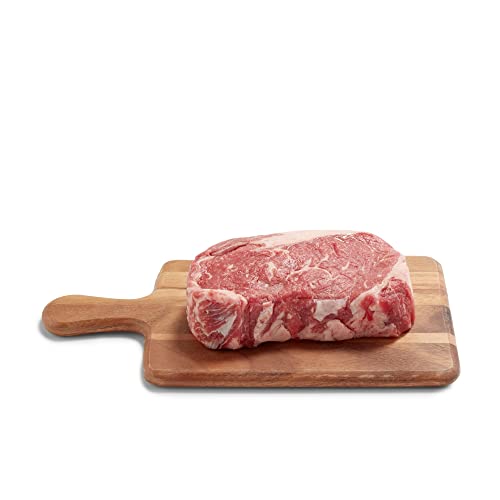
Marketed as 100% grass-fed with pasture-raised cattle, this boneless ribeye emphasizes traceability to farm or ranch. The emphasis on pasture-only diets aligns with buyers seeking minimal processing and straightforward sourcing. The product notes focus on sustainable farming practices and a simple beef experience suitable for quick weeknight meals or a weekend grill-out.
Best for: Buyers who want a straightforward, grass-fed boneless ribeye with clear farm-level traceability. Choose this if you value pasture-raised origins and flexible cooking options.
Caution: Availability and supply chains can vary, so confirm the cut size and exact origin if matching specific dietary or sourcing standards is important.
Meatworks Prime Ribeye Steaks Eight Pack

MeatWorks packages eight ribeye steaks at about 12 oz each, described as USDA Prime with a 28-day aging process for enhanced flavor. This option targets steak lovers seeking a premium, consistent supply with a restaurant-grade aroma and tenderness. The product highlights emphasize marbling and a steakhouse-quality experience for gatherings or gift occasions.
Best for: Hosts, gift-givers, or households that want several premium ribeyes ready for immediate grilling. Choose this if you prioritize prime grade and a defined aging process for depth of flavor.
Caution: Prime cuts and pre-portioned packs can carry higher price points; plan for storage and use to maximize aging benefits and prevent waste.
Buying Guide
- Source and farming method: Organic, grass-fed, and pasture-raised options typically offer transparency about animal welfare and diets. If sustainability matters, prioritize brands with certifications like USDA Organic or Land to Market verification.
- Cut type and portion size: Boneless ribeye is more flexible for pan-searing and even cooking, while bone-in options add flavor through the bone. Consider serving sizes to match your household or guest list.
- Marbling and flavor: Ribeye marbling influences juiciness and richness. Higher marbling generally equates to a richer flavor, but this can affect cooking time and cost.
- Storage and packaging: Freezer-ready packaging and value packs offer convenience for bulk cooking or events. Ensure proper thawing and portioning to maintain quality.
- Cooking method compatibility: High-heat methods (grilling, broiling, searing) work well for ribeye; boneless cuts are typically easier to handle for even cooking.
- Certifications and welfare: Look for certifications like USDA Organic, GAP, or other welfare certifications when important to you. This can influence both flavor and ethics considerations.
FAQ
- What is the difference between grass-fed and grain-fed ribeye?
Grass-fed ribeyes typically have a different fat distribution and can offer higher omega-3 content and a distinct, grassy note. Grain-fed beef often has more marbling and a richer flavor for some palates. - Is boneless ribeye easier to cook than bone-in?
Boneless ribeye is usually easier to handle and cook evenly, making it a flexible option for home cooks who want quick, uniform browning. - How should I thaw frozen ribeye safely?
Thaw in the refrigerator overnight or use a cold-water method in a sealed bag, changing water every 30 minutes to keep it within a safe temperature range. - Can I freeze ribeye after cooking?
Yes. Cool leftovers promptly and store in airtight containers or freezer bags to preserve flavor and texture for later reheating. - What cooking method provides the best crust on ribeye?
High-heat methods like grilling or a hot cast-iron pan sear produce a caramelized crust with a juicy interior.