If you’re searching for a vegan soy protein powder, you want options that deliver complete amino acids, mix well, and fit your dietary needs. This guide highlights five soy-focused or soy-inclusive vegan protein powders, explaining who each product is best for, plus clear cautions. Whether you’re vegan, dairy-free, or simply seeking a pure protein boost, these picks help you compare quality, flavor choices, and ingredient standards at a glance.
Buyer summary table:
| Product | Best For | Key Point |
|---|---|---|
| NOW Foods Soy Protein Isolate | Athletes and scholars who need pure, unflavored protein | High-quality soy isolate with strong amino profile |
| BulkSupplements Soy Protein Isolate Powder | Budget-conscious athletes and versatility fans | Plain, versatile, 30g protein per serving |
| HORBAACH Soy Protein Isolate Powder | People seeking a complete plant protein in a single serve | 25 g protein per serving, non-GMO |
| Pure Original Ingredients Soy Protein Isolate | Shakes and baking with minimal additives | Pure, no fillers |
| Orgain Organic Vegan Protein Powder (Vanilla Bean) | Soy-free vegan option for variety-seekers | Plant-based mix without soy ingredients |
NOW Foods Soy Protein Isolate 20 g Unflavored

NOW Foods Soy Protein Isolate provides a pure plant protein option with a focus on a clean amino acid profile. It is unflavored, making it a flexible base for shakes, smoothies, and recipes. This product is positioned for athletes and active individuals who want a reliable protein source without added flavors or fillers.
Best for: Purists who want a high-quality soy protein powder without taste masking. Better for: mixing into smoothies, oatmeal, or bakery recipes where you want the soy protein to shine. Caution: Some users sensitive to soy should consider alternatives.
BulkSupplements Soy Protein Isolate Powder

This unflavored soy protein isolate powder is designed for versatility and value. Each serving offers a substantial 30 grams of protein, making it a strong option for post-workout recovery or adding to recipes. The product is gluten- and sugar-free, aligning with many vegan and fitness-focused diets.
Best for: People who want a straightforward, high-protein powder with minimal ingredients. Better for: blending into shakes, smoothies, or recipes without altering flavor. Caution: Some individuals with soy sensitivities should avoid this product.
HORBAach Soy Protein Isolate Powder

Horbäach Soy Protein Isolate Powder delivers a complete plant protein with a focus on purity and potency. Each serving is designed to provide a robust protein boost suitable for shakes, baking, and cooking. It’s a practical option for vegan athletes and those seeking a reliable soy-based protein supplement.
Best for: Those who want a complete plant protein with a quantified protein per serving. Better for: use in smoothies, baked goods, or meals to increase protein density. Caution: Check for any soy sensitivities before use.
Pure Original Ingredients Soy Protein Isolate

Pure Original Ingredients offers a straightforward soy protein isolate without additives. This unflavored option is suitable for shakes, smoothies, or as a flour substitute in cooking and baking. It targets buyers who prioritize simplicity and minimal ingredients in their protein powder.
Best for: Shakes or recipes where a clean soy protein base is desired. Better for: people who prefer minimal processing. Caution: Some users may prefer flavored varieties for palatability.
Orgain Organic Vegan Protein Powder (Vanilla Bean)
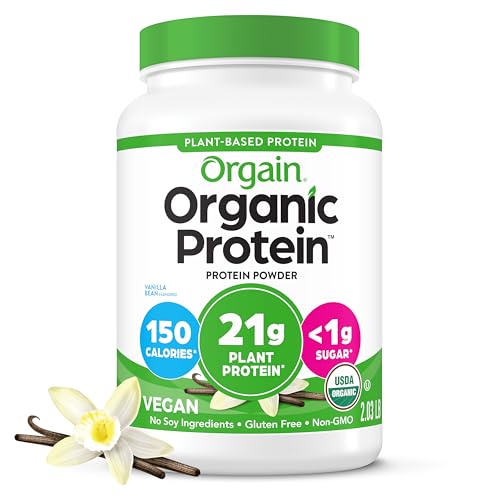
Orgain Organic Vegan Protein Powder mixes plant-based proteins with a vanilla flavor profile. It uses a blend of organic peas, brown rice, and chia seeds and includes prebiotic fiber for gut support. Notably, this product is vegan and non-GMO, but it emphasizes a soy-free formulation, catering to buyers seeking soy alternatives.
Best for: Those who want a tasty vanilla vegan protein without soy. Better for: mixing into smoothies or baked goods without affecting dairy-free goals. Caution: Not a soy-based option; readers specifically seeking soy protein should consider other picks.
Buying Guide
What should you look for in a vegan soy protein powder?
- Amino acid profile: Ensure the product provides a complete amino acid profile typical of soy protein isolates.
- Ingredient simplicity: If you prefer minimal additives, choose unflavored or single-ingredient options.
- Allergen considerations: Confirm soy content if you have a soy allergy or sensitivity.
- Purity and processing: Look for non-GMO, gluten-free, and third-party testing when transparency matters.
- Flavor and mixability: Unflavored powders work well in cooking; flavored options are easier to mix in beverages.
How to choose based on your goals
- Post-workout recovery: Opt for powders with higher protein per serving and minimal carbs.
- Baking and cooking: Unflavored isolates are best to avoid altering recipe taste.
- Budget considerations: Compare price per gram of protein across brands.
- Dietary preferences: If you avoid soy, select soy-free vegan options with similar protein density.
How to use and store
- Use 1–2 scoops per serving, depending on protein needs and brand guidance.
- Mix with water, milk alternatives, or add to smoothies for texture and flavor variety.
- Store in a cool, dry place; keep the container tightly closed to preserve freshness.
Health considerations
- Soy-based proteins can be part of a balanced vegan diet, but individual tolerance varies.
- Look for products without artificial sweeteners if you prefer minimal additives.
- For those with soy sensitivities, consider soy-free vegan protein powders.
Frequently asked questions
- What is soy protein isolate? Answer: It is a purified form of soy protein with most fats and carbohydrates removed, resulting in a high-protein powder with a complete amino acid profile.
- Is soy protein suitable for all vegans? Answer: Yes, but individuals with soy allergies should avoid it and opt for other plant proteins.
- Can I bake with soy protein powder? Answer: Yes, unflavored soy protein isolates can be used to increase protein content in baking.
- Does soy protein cause bloating? Answer: Some individuals may experience bloating; starting with smaller servings can help gauge tolerance.
- Should I choose flavored or unflavored soy protein? Answer: Unflavored is more versatile for baking and recipes; flavored options are easier to drink on their own.
- Are there advantages to soy protein over other plant proteins? Answer: Soy provides a complete amino acid profile and high protein density, making it a strong all-in-one plant option.