When shopping for protein powders, look for third-party testing and clear ingredient lists. This guide highlights five well-rounded options tested by reputable organizations, helping athletes, fitness enthusiasts, and people with dietary preferences choose safe, high-quality proteins. Each product is assessed for who it’s best for, plus practical pros and a caution. A quick summary table is included to compare core specs at a glance.
| Product | Form | Protein Per Serving | Third-Party Note |
|---|---|---|---|
| NAKED Whey Vanilla Protein Powder | Whey protein powder | 25 g | NSF Certified |
| Muscle Milk Pro Series Protein Powder | Powder protein | 50 g | NSF Certified for Sport |
| NAKED Pea Protein Isolate | Plant-based pea protein | 27 g | NSF Certified |
| Nutricost Whey Protein Concentrate (Vanilla) | Whey protein concentrate | 25 g | Not NSF listed |
| Optimum Nutrition Gold Standard 100% Whey | Whey protein powder | 24 g | Not NSF listed |
NAKED Whey Vanilla Protein Powder
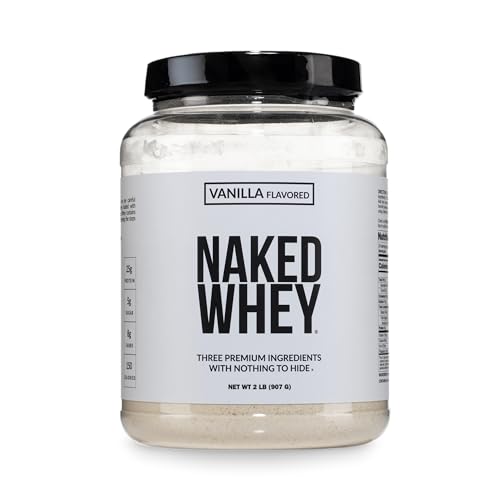
Best for purists seeking a short ingredients list. This product uses only three ingredients: 100% grass-fed whey protein, vanilla, and organic coconut sugar. It contains no artificial sweeteners, colors, GMO ingredients, soy, or gluten. The protein is sourced from small dairy farms to preserve amino acids and glutathione content. Each serving delivers 25 g of protein, 5 g of sugar, 8 g of carbs, and 150 calories, with 5.9 g of BCAAs. It is NSF Certified for purity and safety, which supports its appeal to athletes and health-conscious buyers who want verified quality. A potential limitation is the relatively higher sugar content compared to ultra-low-sugar blends, so it may be best for those not restricting carbs strictly.
Who it’s best for: athletes who value minimal ingredients, gluten-free and soy-free options, and NSF-certified purity. Why selected: NSF certification confirms safety and labeling accuracy, while the 25 g protein per serving supports muscle maintenance and recovery.
Caution: Some users prefer lower sugar options; if you’re on a strict low-sugar plan, compare with other options in this guide.
Nutricost Whey Protein Concentrate (Vanilla)

Best value option for budget-conscious shoppers who still want a solid protein source. Nutricost Vanilla Whey Protein Concentrate provides a high-protein serving with 25 g of protein per scoop in a 2-pound bottle. This product emphasizes quality whey concentrate and a generous serving count, making it practical for daily use. However, it does not list any recognized third-party certification in the provided data, so buyers prioritizing NSF or similar verification may prefer a certified option. This powder is suitable for those who want reliable protein without added flavors or sweeteners beyond vanilla.
Who it’s best for: budget-conscious exercisers who want straightforward whey protein with a classic flavor. Why selected: Strong protein content per serving and a large bottle size ensure long use between purchases.
Caution: Absence of explicit third-party certification means buyers seeking formal purity verification should consider certified alternatives.
Nutricost Isolate Whey Protein Powder (Vanilla)

Better for those seeking a lower-carb, higher-purity option. This whey isolate variant concentrates on a purer protein with 30 g per serving, featuring a vanilla flavor. Isolate typically contains less lactose and fat, making it attractive for individuals with lactose sensitivity. The data does not explicitly mention NSF certification, so it is recommended for buyers who prioritize isolate quality and minimal additives while being comfortable with non-certified status. Use this if you want a leaner protein source and faster absorption in post-workout routines.
Who it’s best for: athletes or individuals aiming for higher protein with lower carbohydrates and fats. Why selected: Higher protein per serving and isolate form support lean muscle goals.
Caution: If third-party certification matters for you, verify any updated testing information beyond the provided features.
Optimum Nutrition Gold Standard 100% Whey

Best for those seeking a widely available, reputable whey blend with high-quality protein sources. Gold Standard 100% Whey provides 24 g of protein per scoop, derived from whey with a profile of essential amino acids including BCAAs and EAAs. The data highlights low sugar, carbs, and fat, supporting goals centered on lean muscle and weight management. Although not listed as NSF, its established market presence and multi-source whey approach can be advantageous for everyday protein supplementation. Use this option if you want a familiar, mainstream protein with reliable mixability and taste options.
Who it’s best for: individuals prioritizing a trusted, widely available whey blend for everyday use. Why selected: Strong amino acid profile, good mixability, and established brand presence.
Caution: For buyers who specifically require third-party certification, confirm the latest testing details since the data does not state NSF certification.
Buying Guide: Key Considerations For Third-Party Tested Protein
Do I really need third-party testing?
Third-party testing provides independent verification of label claims, purity, and potential contaminants. If you train hard or have dietary sensitivities, certified products offer added confidence about what’s inside.
What certifications matter?
NSF Certified for Sport, Informed-Sport, and similar seals indicate rigorous testing for banned substances and purity. Look for explicit certification in the product’s notes or packaging. A lack of certification doesn’t automatically mean poor quality, but it reduces assurance about third-party verification.
What protein form should I choose?
Whey concentrate is cost-effective with a balanced amino profile. Wheate isolates offer faster absorption and lower lactose, suitable for those with lactose sensitivity. Plant-based options (like pea protein) provide dairy-free alternatives and may suit vegan diets.
Flavor, ingredients, and sugar content
Minimal ingredient lists are appealing for clean nutrition. Vanilla is a common flavor, but some products add sugar or artificial sweeteners. If you’re monitoring sugar and carbs, compare per-serving sugar, total carbs, and calories. Choose products aligned with your dietary goals.
Serving size and value
Consider bottles with higher servings to reduce cost per serving. However, ensure freshness and storage considerations are met. Some brands provide larger containers with more protein per serving, while others emphasize purity over quantity.
Allergen considerations
Many protein powders contain dairy, soy, gluten, or natural flavors. If you have allergies, check for gluten-free, soy-free, or vegan options. NSF Certified items often list allergen controls on their packaging.
Practical selection tips
- Choose NSF-certified options when possible for extra assurance of purity and safety.
- For post-workout recovery with high protein needs, a product with 25–50 g protein per serving can be effective.
- For lean-muscle goals, look for low sugar and moderate carbohydrate profiles to support energy without excess calories.
Frequently asked questions
- What does “NSF Certified” mean for protein powders? — It indicates third-party testing for purity, quality, and labeling accuracy.
- Are plant-based proteins as effective as whey? — Plant proteins can support muscle growth when consumed with adequate total protein and essential amino acids, though the amino acid profile differs from dairy-based proteins.
- Should I avoid sugar in my protein powder? — If you’re monitoring sugar intake, select products with low sugar per serving and check total carbs.
- Is whey isolate better than whey concentrate? — Isolate is typically faster-absorbing and lower in lactose and fat, but both can support muscle protein synthesis when used consistently.
- Which product is best for gluten-free diets? — Most options listed are gluten-free by formulation; confirm any changes to ingredients or certifications on the current label.
- Can I mix any of these with water or milk? — Most protein powders mix well with water, milk, or milk alternatives; follow serving directions for best texture.