For fans of bold umami and a touch of heat, spicy soy bean pastes deliver a versatile base for barbecue, wraps, noodles, stews, and dipping sauces. This guide highlights five top options suited for different cooking styles, from Korean ssamjang lovers to Chinese-style stir-fries. Each choice is explained with who it’s best for, why it stands out, and a practical caveat. Use the table below to compare key points at a glance.
| Product | Best For | Why It Stands Out |
|---|---|---|
| O’food Ssamjang Spicy | Korean BBQ lovers, lettuce wraps | Balanced spice with classic Korean ingredients; versatile as dip or wrap sauce |
| Lee Kum Kee Spicy Soybean Sauce | Widely used in Chinese cooking; simple soybean-based heat | |
| SXETBEAN Soybean Paste | Naturally fermented with rich aroma and multi-use versatility | |
| Doenjang Premium Korean Miso Paste | Deep umami with smooth texture; traditional fermentation | |
| Korean Doenjang Spicy & Savory (urban hj) | Cheongyang chili pepper notes for a clean kick |
O’food Ssamjang Spicy Korean Soybean Paste
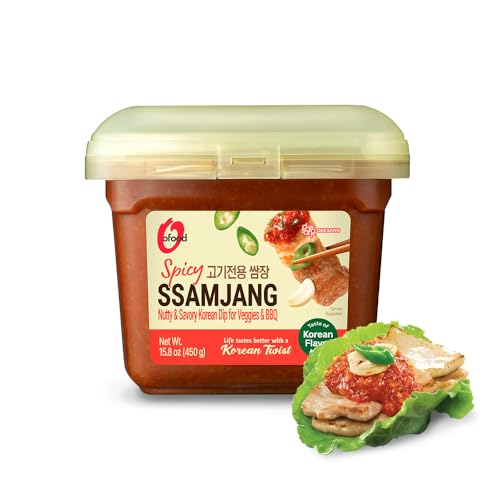
Reference features: A Korean BBQ sauce with a thick paste made from fermented soybean, chili pepper paste, sesame oil, garlic, and onions. It offers a perfect balance of spice and umami, ideal for dipping and enhancing lettuce wraps (ssam) and other dishes. Best for anyone who wants a ready-to-use spicy Korean flavor in one jar.
Best for: Korean BBQ enthusiasts and those who enjoy dipping sauces with bold, savory depth. Choose this if you want a spicy, umami-forward paste that pairs well with meats and fresh vegetables.
Caution: Contains chili peppers; heat level may be noticeable for those sensitive to spice. Keep refrigerated after opening.
Lee Kum Kee Spicy Soybean Sauce

Reference features: A chili-forward soybean sauce widely used in Chinese dishes; emphasizes chili heat with soybean basics for a straightforward, versatile flavor profile. Suitable as a base for stir-fries or as a dipping sauce.
Best for: Cooks seeking a familiar chili-soy flavor to incorporate into Chinese-style meals. A solid choice when you want simple, repeatable heat and soy savoriness.
Caution: May be spicier than some mild palettes; use modestly in delicate dishes.
SXETBEAN Soybean Paste

Reference features: Naturally fermented full-grain soybeans with a rich aroma, a balanced salty profile, and multi-use capability for stir-fry, stew, dipping sauces, and noodles. Described as versatile for many Chinese dishes.
Best for: Home cooks who want a flexible soybean paste for a wide range of Chinese-inspired meals. Choose this if you value authentic fermentation and aroma.
Caution: Check ingredient list for potential allergens and ensure compatibility with your recipe’s salt levels.
Doenjang Premium Korean Miso Paste

Reference features: Premium fermented soybean paste crafted for Doenjang Jjigae, soups, marinades, and sauces. Delivers deep umami and a creamy texture with Korean flavor and healthful fermentation benefits.
Best for: Fans of traditional Korean stews and bibimbap components who want a rich, smooth miso-like base. Choose this for authentic Korean pantry use.
Caution: Fermented paste may require longer simmering to fully develop depth; adjust salt carefully.
Korean Doenjang Spicy & Savory Paste (urban hj)

Reference features: Authentic Korean Doenjang with Cheongyang chili pepper, mushroom and anchovy-inspired umami, offering a spicy and savory profile suitable for soups, stews, and hearty braises. Made with 100% Korean ingredients.
Best for: Those seeking a spicy Korean base with an elevated umami note for kimchi stew, doenjang jjigae, tofu soup, and vegetables. Choose this for classic flavor with a bright chili kick.
Caution: Spiciness level may vary; test in small amounts before broad use.
Buying Guide
What should I look for in spicy soy bean pastes?
- Fermentation method and duration: Longer fermentation often yields deeper umami and smoother texture.
- Flavor balance: Some pastes skew spicy, others emphasize savory umami; choose based on the dish you plan to boost.
- Protein and salt content: Higher salt or added MSG can affect palatability and health preferences.
- Suitability for dishes: Korean ssamjang works well with wraps; Chinese chili bean pastes suit stir-fries and mapo tofu; Doenjang suits stews and soups.
How to use spicy soybean pastes in cooking?
- As a dip: Mix with a little sesame oil or vinegar to balance heat for vegetables or meats.
- In stews and soups: Stir in a spoonful toward the end to preserve aroma and color.
- In marinades: Combine with soy sauce, garlic, and ginger for beef, chicken, or tofu.
How to store for best flavor?
- Keep sealed and refrigerated after opening to preserve fermentation and prevent spoilage.
- Use within a reasonable time to maintain potency; freeze in portions if necessary for long-term use.
FAQ
- What is the main difference between ssamjang and doenjang? – Ssamjang is a spicy Korean dipping paste combining soybean paste with chili and sesame, while doenjang is a fermented soybean paste used as a base for stews and soups.
- Can I substitute one paste for another? – Substitutions are possible but may alter heat, aroma, and texture; adjust quantities and seasonings accordingly.
- Is these pastes vegan? – Most are plant-based, but verify each product’s ingredient list for anchovy or other non-vegan components.
- Which paste is best for gluten-free cooking? – Check labels for gluten-containing ingredients; many traditional pastes use soy and wheat in varying amounts.
- Do these sauces need cooking to release flavor? – Some benefit from brief heating to bloom aromatics; others can be used straight from the jar as a dip or glaze.
- Are these good for beginners? – Yes; many are ready-to-use, versatile, and adaptable across cuisines.