Answering the search for high-quality pea protein powders, this guide highlights options that deliver clean ingredients, strong protein per serving, and digestibility. Designed for athletes, vegans, and anyone avoiding dairy, these picks emphasize transparency and straightforward nutrition. Each product is evaluated for who it suits best and why it’s a solid choice, with practical cautions where needed.
Quick comparison table
| Product | Main Benefit | Best For | |
|---|---|---|---|
| Orgain Organic Vanilla Protein Powder | 21g plant protein, prebiotic fiber | Vegan shakes and smoothies | Organic, dairy-free |
| NAKED Pea Protein Isolate (15 Servings) | 100% yellow pea, minimal ingredients | Purity-focused users | NSF Certified |
| Anthony’s Premium Pea Protein | Gluten-free, unflavored | All-purpose baking and smoothies | Unflavored option |
| NAKED Pea 5LB Unflavored | 27g protein, minimal ingredients | Bulk buyers, versatile use | NSF Certified |
| Truvani Organic Plant Based Protein Powder | Clean formula, no additives | Allergen-sensitive and clean-label seekers | USDA Organic |
Orgain Organic Vanilla Protein Powder
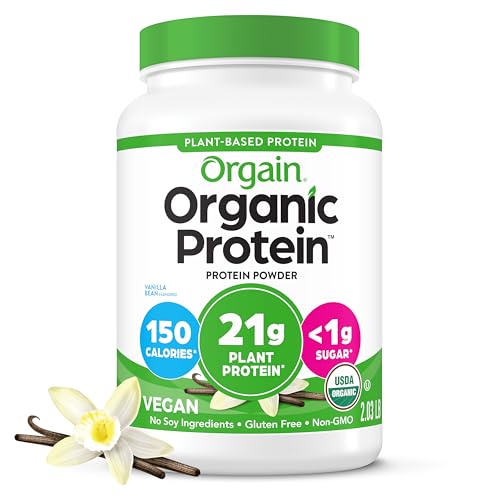
Best for: Shakes and smoothies with a mild vanilla flavor. The formula blends organic pea, brown rice, and chia seed proteins to deliver all nine essential amino acids. It includes 6g of prebiotic fiber per serving for gut support and has no lactose ingredients or added sugar. This makes it a solid pick for vegans, gluten-free needs, and those seeking a lower net carb profile in a plant-based protein.
Why selected: It emphasizes cleaner ingredients and a certified organic basis. The mixture of plant proteins supports amino acid balance, and the absence of dairy, artificial additives, or carrageenan aligns with clean-label priorities. A caution: some users may notice a mild bean-like aftertaste due to the pea base, especially in unflavored blends.
NAKED Pea – Pea Protein Isolate

Best for: Purity-first users who want a single-ingredient pea protein. This powder contains only 100% yellow pea protein with no artificial sweeteners, flavors, or colors, and it’s GMO-free, soy-free, and gluten-free. It’s NSF certified for safety and purity, making it ideal for strict dietary plans or clean-label cooking.
Why selected: The one-ingredient approach minimizes potential allergens and flavor additives. Limitations include the natural earthy taste of peas, which some may find less suitable for sweetened recipes unless flavored variants are chosen.
Anthony’s Premium Pea Protein

Best for: Those seeking a reliable, unflavored pea protein for baking, shakes, or batch cooking. Anthony’s emphasizes gluten-free processing and lactose-free composition, making it suitable for lactose-intolerant individuals or those avoiding dairy.
Why selected: The product’s batch-tested gluten-free claim supports gluten-sensitive buyers. A caution: it is unflavored, so it may require additional flavoring in some recipes to suit taste preferences.
NAKED Pea 5LB Unflavored

Best for: Bulk buyers and versatile cooks who want a straightforward pea protein backbone. This unflavored option provides 27g protein per serving with only 2g of sugar and 2g of carbohydrates, making it energy-efficient for smoothies and protein blends.
Why selected: The 5-pound bulk package reduces per-serving cost and fits long-term use. Limitation: the unflavored profile may require flavoring for palatable shakes, especially for those sensitive to natural legume notes.
Truvani Organic Plant Based Protein Powder

Best for: Clean-label enthusiasts who want a premium, additive-free plant protein. Truvani focuses on premium, hand-selected ingredients with no soy, wheat, dairy, gluten, or stevia. It’s ideal for those with sensitivities or who prefer organic certification and simple ingredients.
Why selected: The emphasis on transparency and a straightforward ingredient list supports consumers prioritizing dietary clarity. Caution: flavors rely on natural monk fruit sweetness, which may not suit all taste preferences; unflavored versions may be harder to find.
Buying Guide
What to look for when choosing pea protein powder
- Ingredient purity: Prefer products with one or few whole-food ingredients and no artificial additives.
- Protein content per serving: Compare grams of protein and carbohydrate content to fit dietary goals.
- Allergen considerations: Check for dairy, soy, gluten, or artificial sweeteners if you have sensitivities.
- Certification and sourcing: Look for NSF certification, USDA Organic, or other third-party verifications for transparency.
- Flavor and texture: Decide between flavored and unflavored; consider your use (drinks, baking, smoothies) and tolerance for legume taste.
- Digestibility: Some blends include fiber or blends with a complete amino acid profile; assess digestion needs and tolerance.
Frequently Asked Questions
- Is pea protein suitable for vegans? Yes, most pea protein powders are vegan and dairy-free.
- Which pea protein is best for baking? Unflavored pea protein powders, especially single-ingredient options, tend to work well in baking.
- Do pea proteins contain all essential amino acids? Most blends include all nine essential amino acids, though content may vary by brand.
- Are there common allergens to worry about with pea protein? Pea protein is typically dairy-free, soy-free, and gluten-free, but always check labels for cross-contamination.
- Can pea protein help with workouts? Yes, it provides a solid protein source to support muscle repair when consumed as part of a balanced diet.
- Does organic certification matter for pea protein? Organic certification signals specific farming and processing standards and may be preferred by health-conscious buyers.