Looking for protein bars featuring pea protein? These options prioritize plant-based protein from peas, with clean ingredients and convenience for busy days. Best for athletes seeking easy post-workout fuel, vegetarians and vegans tracking protein, or anyone pursuing a low-sugar, gluten-free snack. Below is a quick, buyer-friendly guide to five pea-protein-forward bars, plus a compact comparison table to help you choose at a glance.
| Product | Key Benefit | Best For | Approx. Protein |
|---|---|---|---|
| Rise Pea Protein Bar – Chocolately Coconut | 15g protein, 5 whole-food ingredients | Clean, minimal-ingredient snacking | 15g |
| IQBAR Clean Plant Protein Bars – Bar Sampler | Low sugar, high fiber, clean-label | Keto-friendly, dietary-restricted snacking | 12–16g (varies by flavor) |
| IQBAR Clean Plant Protein Bars – Peanut Butter Chip | Plant protein with healthy fats and fiber | Meal-replacement or snack on the go | 12–16g |
| Orgain Organic Vegan Protein Snack Bars – Peanut Butter | No dairy or soy ingredients | Dairy-free, soy-free vegan option | ≤10–12g |
| Orgain Organic Vegan Protein Snack Bars – Chocolate Chip Cookie Dough | No dairy or soy, gluten-free | Flavorful plant-based snack | ≤10–12g |
Rise Pea Protein Bar – Chocolately Coconut

The Rise bar centers on pea protein and whole-food ingredients. It provides 15g of protein per bar and just five ingredients, making it a good choice for clean, whole-food snacking. The bar emphasizes paleo-friendly, vegan-friendly options and non-GMO labeling. Best for athletes or active individuals who want a simple ingredient list without artificial additives. A potential limitation is that it uses whole-food flavors, which can lead to slight texture variations between batches.
IQBAR Clean Plant Protein Bars – Bar Sampler
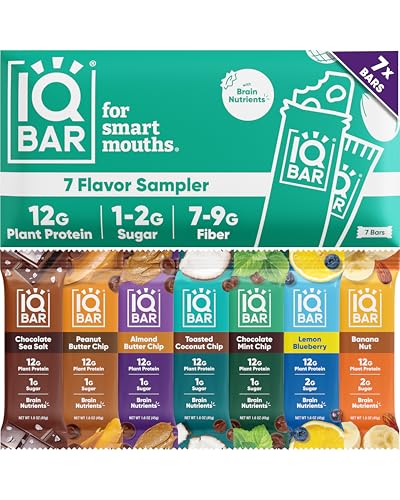
IQBAR offers clean-label plant protein with low sugar and high fiber. The sampler provides variety, helping you compare flavors and macros. Best for keto dieters, gluten-free or dairy-free shoppers, and those seeking a meal-replacement or snack with balanced macros. Choose this if you want versatility and a broader sense of how plant proteins fit your routine. Limitation: some flavors may be more or less filling depending on fiber content in each bar.
IQBAR Clean Plant Protein Bars – Peanut Butter Chip

This variant emphasizes peanut butter chip flavors with the same clean-label, pea-protein-forward composition. Best for fans of a peanut butter taste with a modest sugar profile and high fiber. It’s a solid option for a quick breakfast bite or post-workout snack. Limitation: not all flavors in the IQBAR line are equally familiar in taste; testers should try multiple options.
Orgain Organic Vegan Protein Snack Bars – Peanut Butter

Orgain’s vegan bars typically rely on plant-based protein blends that include pea protein as a primary source, with no dairy or soy ingredients. The Peanut Butter variant is a straightforward, gluten-free option with a familiar flavor. Best for dairy-free and soy-free vegans or anyone seeking a kid-friendly, plant-based protein bar. A potential limitation is that some batches may vary in sugar content depending on flavor.
Orgain Organic Vegan Protein Snack Bars – Chocolate Chip Cookie Dough

This chocolate chip cookie dough variant provides a flavorful plant-based protein option with no dairy or soy, gluten-free attributes, and a familiar cookie-dough experience. Best for flavor-conscious shoppers who still want a dairy-free, vegan protein bar. Limitation: some may find the flavor too sweet if sensitive to added sugars in certain batches.
Buying Guide
What to look for when choosing pea-protein bars:
- Protein per bar: Aim for 12–15g for a solid snack that supports satiety and recovery between meals or workouts.
- Source of protein: Look for pea protein as the primary ingredient. Check for additional plant proteins if you desire a broader amino acid profile.
- Sugar content: If you’re monitoring sugar, compare bars with 5g or less per serving. Some lines offer low-sugar or sugar-free options.
- Fiber and fats: Higher fiber (8–10g) and healthy fats (from nuts or seeds) help with fullness and sustained energy.
- Diet compatibility: Gluten-free, dairy-free, vegan, paleo, and keto-friendly claims can help match special diets.
- Ingredients quality: Clean-label certifications or minimal artificial additives can improve ingredient quality and digestibility.
- Texture and flavor: Flavor variety matters for adherence; some bars have crumbly textures while others are chewier.
Practical tips for buying decisions
- Start with a sampler pack if available to test multiple flavors before committing to a box.
- Consider when you’ll eat them most: pre-workout, post-workout, or as a meal replacement.
- Account for dietary restrictions, such as gluten-free or dairy-free needs, in your selection.
Frequently Asked Questions
- Are pea protein bars good for muscle building? Yes, many pea-protein bars provide 12–15g of protein per bar, supporting daily protein intake goals.
- Do these bars contain added sugar? Some options have low sugar (around 5g per bar) or use natural sweeteners; check the label for each flavor.
- Are pea protein bars suitable for a keto diet? Some IQBAR options are keto-friendly with low net carbs, but verify per-flavor macros.
- Can these bars replace a meal? Some bars are designed as meal replacements or post-workout options due to balanced macros and fiber.
- Do these bars contain dairy or soy? Several options are dairy-free and soy-free, but always read the ingredient list to confirm.
- Which bar has the best flavor? Flavor preference varies; sampler packs help identify personal favorites without committing to a full box.