Looking for a powdered monk fruit substitute that behaves like sugar in recipes without spiking your blood sugar? This guide highlights five practical powdered monk fruit options ideal for baking, frosting, and everyday sweetening. Each pick is chosen for a specific use case—whether you prioritize zero calories, no sugar alcohols, or a 1:1 substitution in recipes. The buyers below are best for keto diets, low-carb lifestyles, or anyone seeking a natural, sugar-free alternative with minimal aftertaste.
Summary table of chosen products:
| Product | Best For | Why It Stands Out | Key Consideration |
|---|---|---|---|
| Wholesome Yum Besti Natural Powdered Sugar Substitute | Keto bakers and sugar-free confectioners | Powdered-sugar like texture with allulose; no erythritol; zero calories | Contains allulose; watch for availability |
| Lakanto Powdered Monk Fruit Sweetener | People avoiding sugar alcohols and seeking zero-calorie option | Monk fruit with erythritol; zero calories; easy 1:1 use | Contains erythritol |
| So Nourished Monk Fruit Sweetener with Allulose Powdered | Cookies, frostings and beverages needing clean taste | Allulose blend; 0 calories; near-sugar taste | Contains allulose blend |
| Pure Organic Monk Fruit Extract Powder (TEAki Hut) | Pure monk fruit powder for those avoiding additives | Single-ingredient, no erythritol; organic and non-GMO | Pure extract powder; potency may vary by usage |
| DureLife Organic Pure Monk Fruit Sweetener Powder | Keto and clean-label enthusiasts | No erythritol; 100% monk fruit extract; organic | 5 oz size; potency per use varies |
Wholesome Yum Besti Natural Powdered Sugar Substitute

Best For: Keto bakers and sugar-free confectioners who want a powdered-sugar-like experience. This blend uses allulose and monk fruit, avoiding erythritol and artificial aftertastes. It dissolves, browns, and caramelizes similarly to powdered sugar, making it ideal for frosting bases, dusting pastries, and cookie recipes without the cooling sensation common with some sugar substitutes.
Why selected: It delivers a true powdered-sugar mouthfeel and behaves like sugar in many recipes. The absence of erythritol reduces potential aftertaste and throat cooling, while zero calories and zero carbs support low-carb diets. It’s particularly suitable for those seeking a natural, plant-based substitute with a clean ingredient list.
Limitations: If your recipe relies heavily on precise crystallization control, test a small batch first as individual results can vary with allulose blends. Availability may vary by retailer.
Lakanto Powdered Monk Fruit Sweetener With Erythritol

Best For: Bakers who want a ready-to-use powdered sugar substitute with a familiar texture and a 1:1 sugar substitution profile. This product pairs monk fruit with erythritol to mimic the mouthfeel and sweetness of powdered sugar in frostings, fillings, and cookies.
Why selected: It provides zero calories and no glycemic impact, while maintaining a light, sugar-like sweetness. The erythritol blend helps with texture and browning for many sugar-based recipes. Users who are sensitive to erythritol may prefer alternatives without erythritol.
Limitations: Contains erythritol, which can cause digestive discomfort for some individuals at larger amounts. Not ideal for those avoiding sugar alcohols entirely.
So Nourished Monk Fruit Sweetener With Allulose Powdered

Best For: People who want a natural, 1:1 sugar substitute with minimal aftertaste in baking and beverages. The allulose blend helps replicate the sweetness and texture of sugar more closely than some other substitutes.
Why selected: It offers zero calories and zero net carbs, with a clean, gluten-free, vegan profile. The blend reduces the chance of a bitter aftertaste in long-cooked recipes and frosting applications.
Limitations: As with all allulose blends, flavor nuance can vary with larger quantities; start with a smaller amount and adjust to taste in recipes.
Pure Organic Monk Fruit Extract Powder (TEAki Hut)
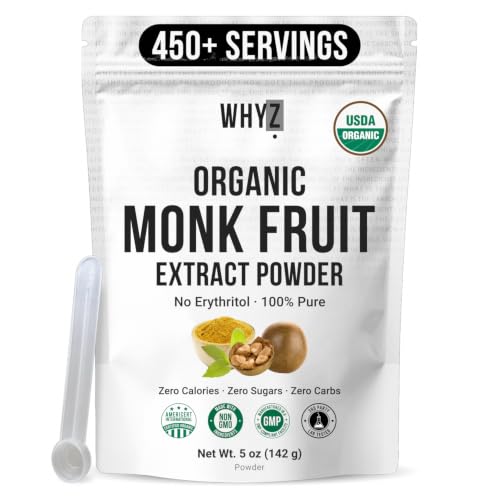
Best For: Cooks who want a pure monk fruit powder with no fillers or erythritol. Useful for beverages, smoothies, or when you prefer a very clean ingredient list in keto and paleo recipes.
Why selected: It is a single-ingredient monk fruit powder, non-GMO and vegan, with no artificial additives or aftertaste if used carefully. It provides flexibility for precise sweetness control in recipes.
Limitations: Being a pure extract, potency can vary; smaller amounts are often sufficient, and users may need to experiment to reach the desired sweetness level in baking.
DureLife Organic Monk Fruit Sweetener Powder

Best For: Clean-label users who want a no-erythritol, organic monk fruit powder for daily use in drinks and baking. Suitable for keto recipes and for those who avoid artificial additives.
Why selected: It emphasizes a single-ingredient, organic monk fruit formula with no calories, no sugar alcohols, and no fillers. This makes it a trustworthy choice for testers seeking a natural option.
Limitations: The organic powder may have a stronger start-to-taste potent sweetness; adjust measurements gradually when substituting for sugar in recipes.
Buying Guide: Powdered Monk Fruit Substitutes
- Ingredient purity: Choose single-ingredient monk fruit powders for the cleanest label, or blends with allulose for sugar-like browning and texture.
- Calorie and carb impact: If zero calories and zero net carbs are priorities, verify the product’s nutrition facts and ensure no added sugar alcohols that could affect digestion.
- Sweetness profile and aftertaste: Allulose blends tend to reduce aftertaste; monk fruit with no erythritol may better suit sensitive palates.
- 1:1 substitution capability: Some products advertise easy 1:1 replacement for sugar in beverages and baked goods; test in small batches to confirm in your recipes.
- Baking performance: Powdered formats should dissolve well and not alter browning unless specified; look for products that brown or caramelize like sugar for frosting and cookies.
- Diet compatibility: Keto, paleo, vegan, gluten-free, and non-GMO preferences vary; match product claims to your dietary needs.
- Flavor and aftertaste considerations: Some blends can leave a lingering sweetness or coolness; consider starting with half the sugar amount and adjust taste.
Frequently Asked Questions
- What is the difference between monk fruit extract and monk fruit sweetener powder?
Monk fruit extract is the concentrated fruit compound used to make sweeteners. Powdered monk fruit sweetener combines the extract with carriers or other ingredients to mimic powdered sugar, enabling easy measuring and baking.
- Is monk fruit sweetener sugar-free?
Most monk fruit sweeteners are zero calories and sugar-free. Some blends include sugar alcohols like erythritol; read the label to confirm carb and calorie content.
- Can I substitute monk fruit for sugar in baking 1:1?
Many powdered monk fruit substitutes advertise 1:1 substitution, but results can vary by recipe. Start with a partial substitution and adjust based on texture and sweetness.
- Do all monk fruit products have aftertaste?
Some blends incorporate allulose to reduce aftertaste and improve mouthfeel; pure monk fruit powder may have a stronger sweetness that requires careful use.
- Are monk fruit products keto-friendly?
Yes, most monk fruit sweeteners are keto-friendly since they provide little to no net carbs when erythritol-free and sugar-free.
- What should I consider if I’m avoiding sugar alcohols?
Choose erythritol-free blends and check the ingredient list to ensure no sugar alcohols are present.