Answering the search for a high-protein, low-carbohydrate option, this guide highlights five well-rounded choices. These powders emphasize minimal sugar and carbs while delivering solid protein to support muscle maintenance and appetite control. Best for: athletes and active individuals aiming to limit carbs, fit into keto or low-carb goals, or replace meals on busy days. The following selections cover whey isolates, blends, and unflavored variants to suit flavor preferences and dietary needs. A quick comparison table is provided for easy scanning of key attributes.
| Product | Protein Per Serving | Carbs | Sugar | Best For |
|---|---|---|---|---|
| Premier Protein Powder, Vanilla Milkshake | 30 g | 3 g | 1 g | Low sugar, creamy vanilla flavor |
| Isopure Zero Carb Vanilla | 25 g | 0 g | 0 g | Zero carb, lactose-friendly |
| Optimum Nutrition Gold Standard Whey | 24 g | 3 g | 1 g | Balanced amino profile, versatile |
| Quest Vanilla Milkshake Protein Powder | 24 g | 3 g | 1 g | Dual-protein blend for steady absorption |
| Dymatize ISO100 Whey Protein | 25 g | 2 g | 1 g | Highly pure isolate, fast absorption |
Premier Protein Powder Vanilla Milkshake
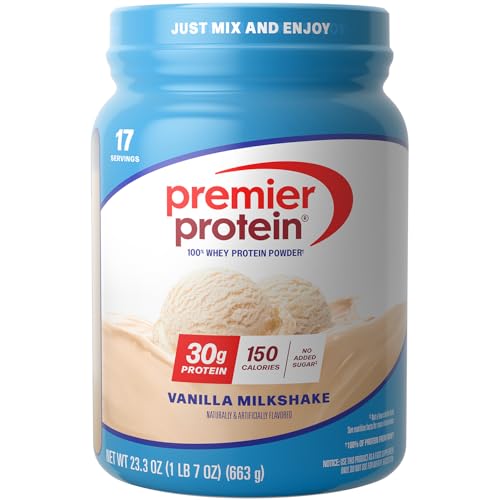
Protein source: 100% whey protein. Flavor profile: Sweet and smooth vanilla that mirrors ice cream. Benefits: 30 g protein per serving with all essential amino acids, 1 g sugar, 3 g carbs, 150 calories per serving. Gluten-free and soy-free. Best for: hands-off, satisfying protein to curb hunger between meals. Limitation: contains three grams of carbohydrates, not suitable for ultra-low-carb dieters seeking zero carbs.
Isopure Zero Carb Vanilla Whey Isolate
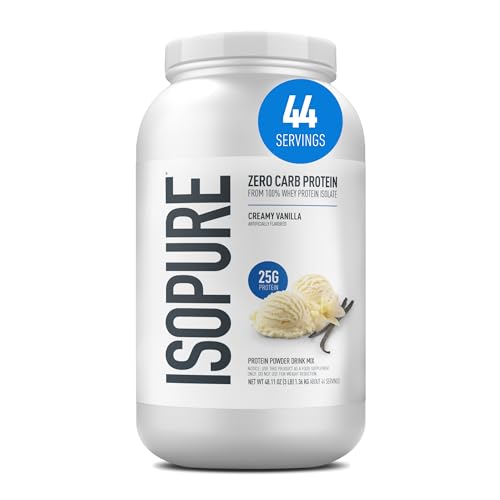
Protein source: 100% whey protein isolate. Flavor: Creamy Vanilla. Benefits: 25 g protein per serving with zero carbs and zero sugar suggested by zero-carb formulation. Best for: individuals tracking carbohydrate intake closely or needing a lactose-light option. Limitation: some users may miss the hint of sweetness without added carbs; package sizes vary, which can affect number of servings.
Optimum Nutrition Gold Standard 100% Whey

Protein source: Whey protein mix with isolate as a primary ingredient. Benefits: 24 g protein per scoop with about 1 g sugar and 3 g carbs, plus 5.5 g naturally occurring BCAAs and 11 g EAAs per serving. Best for: athletes seeking lean muscle support, versatile flavor options (the Chocolate flavor shown is common). Limitation: flavor variety can influence carb-conscious diets if flavored options are higher in sugar; packaging varies.
Quest Vanilla Milkshake Protein Powder

Protein source: Dairy-based blend with 60% whey protein isolate and 40% micellar casein. Benefits: 24 g protein per scoop, 3 g net carbs, 1 g sugar per serving. Best for: fueling workouts with a mix of fast and slow absorption amino acids for balanced post-workout recovery. Limitation: some users find the flavor slightly sweet; not ideal for those who avoid dairy-based blends entirely.
Dymatize ISO100 Whey Protein Isolate – Gourmet Vanilla

Protein source: Whey protein isolate. Benefits: 25 g protein per serving, 5.5 g BCAAs, under 120 calories per serving, less than 1 g fat and 1 g sugar, 2 g carbs. Best for: those seeking fast-absorbing protein with minimal fats and sugars. Limitation: pure isolate can have a thinner texture in some preparations; flavor intensity may vary by batch.
Buying Guide: Key Considerations for Low Carb Protein Powders
- Protein source and purity: Isolate-heavy formulas typically offer fewer carbs and lactose, which matters for lactose sensitivity and carb counts.
- Carbohydrate and sugar content: Compare grams per serving to fit your daily goals. Zero-carb options are available in several lines.
- Amino acid profile: Look for essential amino acids and BCAAs to support muscle recovery and growth.
- Flavor and texture: Flavored powders may affect appetite and satisfaction; consider mixability with water, milk, or milk alternatives.
- Allergen considerations: Check for gluten-free, soy-free, or lactose-free formulations if you have sensitivities.
- Serving size and value: Consider the total number of servings per container relative to protein per scoop.
- Intended use: Post-workout recovery, meal replacement, or snack support can influence which product is best.
Frequently Asked Questions
- What is the main benefit of a low-carb protein powder?
Answer: It helps control carbohydrate intake while delivering essential protein to support muscle maintenance and satiety. - Are whey isolates better for low-carb diets?
Answer: Yes, whey isolates typically contain fewer carbohydrates and lactose than blends, making them a common choice for low-carb plans. - Can I replace a meal with a protein powder?
Answer: Some products are designed for meal replacement, but assess caloric content and nutrients to ensure a balanced substitute. - Is flavored protein powder higher in sugar?
Answer: Some flavors can add sugar, but many options are formulated with low sugar counts; always check the label. - Is unflavored protein powder better for low-carb diets?
Answer: Unflavored options often have zero added sugar and fewer extras, making carb tracking easier. - How should I choose between whey isolate and whey concentrate?
Answer: Isolates generally have higher protein per gram and fewer carbs, but concentrates may be less expensive and suitable for general goals.