Answer: When choosing grain-and-seed bread, look for loaves that deliver fiber, protein, and whole grains while avoiding artificial additives. This guide highlights five top options and who they’re best for, helping you pick the right loaf for breakfast toast, lunch sandwiches, or quick snacks.
Buyer’s summary table:
| Product | Brand | Best For | Why It Stands Out |
|---|---|---|---|
| Arnold Whole Grains 12 Grains and Seeds | Arnold | Fiber-focused meals | High whole-grain content and 10g protein per 2 slices |
| 365 by Whole Foods Market Organic 21 Grains & Seeds | 365 by Whole Foods Market | Clean label, organic choice | No hydrogenated fats, no synthetic nitrates/nitrites |
| Dave’s Killer Bread 21 Whole Grains & Seeds | Dave’s Killer Bread | Hearty, seed-forward texture | Whole grains and seeds with a robust, hearty bite |
| Amazon Grocery Multigrain Bread | Amazon Grocery | Budget-friendly daily loaf | No artificial colors or high-fructose corn syrup |
| Nature’s Own Perfectly Crafted Multigrain Bread | Nature’s Own | Non-GMO option | New recipe with fewer ingredients and non-GMO verification |
Arnold Whole Grains 12 Grains and Seeds Bread

Features: Health-Packed Nutrition with 10g of protein and 7g of fiber per 2 slices. Whole grain goodness includes 38g of whole grains per 2 slices. Free from high fructose corn syrup and artificial preservatives, colors, and flavors. Versatile for sandwiches, toast, or toppings.
Best for: Those seeking a fiber-rich loaf with a strong whole-grain profile for everyday sandwiches or toast. Caution: Some may prefer lighter flavors for picky eaters.
365 by Whole Foods Organic 21 Grains & Seeds Bread

Features: Organic loaf with 21 grains and seeds. No hydrogenated fats or high-fructose corn syrup. No bleached or bromated flour. No synthetic nitrates or nitrites.
Best for: Shoppers prioritizing organic ingredients and a clean-label loaf. Caution: The multi-grain blend can be robust in flavor; some may prefer milder breads.
Dave’s Killer Bread 21 Whole Grains & Seeds

Features: 27 oz loaf with 6g protein, 4g fiber, 130mg ALA Omega-3 and 22g whole grains per slice. Hearty texture and seed-coated crust.
Best for: Those desiring a sturdy sandwich bread with substantial whole grains and seeds. Caution: Some slices can be denser; plan toppings accordingly.
Amazon Grocery Multigrain Bread

Features: One 24-ounce loaf. Ships frozen; thaw at ambient temperature for an hour. No synthetic colors or high-fructose corn syrup.
Best for: Budget-conscious households needing a dependable, everyday multigrain option. Caution: Freezing may affect texture if not thawed properly.
Nature’s Own Perfectly Crafted Multigrain Bread
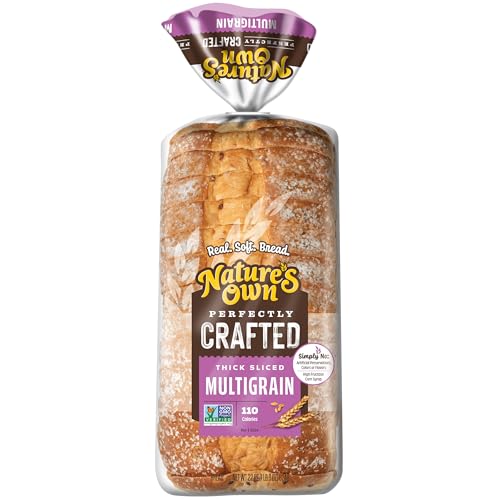
Features: 22 oz loaf with a new recipe featuring fewer ingredients. Non-GMO Project Verified and no artificial colors, flavors, or preservatives.
Best for: Shoppers seeking a non-GMO, pared-down ingredient list with dependable sandwich bread performance. Caution: Some may notice a milder flavor compared to seed-forward loaves.
Buying Guide
What should I look for in grain and seed bread?
Key factors include total whole grains per serving, fiber and protein content, presence of artificial additives, and whether the loaf uses organic or non-GMO ingredients. A higher whole-grain count often signals richer nutrition and flavor.
What is the right size and texture for my needs?
Loaves vary in weight and slice thickness. If you prefer thin-sliced options for lighter sandwiches, consider specialty breads. For quick breakfasts, a heartier loaf with seeds provides staying power.
Are organic or non-GMO loaves worth the extra cost?
Organic and non-GMO loaves can minimize synthetic residues and controversial ingredients. If avoiding additives is a priority, these loaves may justify the price difference.
How important is sodium and sugar in these breads?
Some grain breads include added sugars or higher sodium. Check the label to choose options that align with your dietary goals, especially for kids or low-sodium meals.
Which loaf suits a specific meal plan?
For fiber-forward meals, choose Arnold or Dave’s Killer Bread 21 Whole Grains & Seeds. For organic and clean-label preferences, 365 by Whole Foods or Nature’s Own may be better fits. If budget is a constraint, Amazon Grocery Multigrain offers value without synthetic additives.
Storage and freshness considerations
Most loaves ship fresh or frozen. Thawing according to package directions helps maintain texture. Freezing is acceptable for long-term storage with proper sealing.
How do I compare these loaves quickly?
Use a quick reference: Higher fiber and protein per 2 slices, more total whole grains, and absence of artificial ingredients typically indicate a loaf that supports steady energy and fullness.
FAQ
- Which grain bread is best for daily sandwiches? A loaf with a balanced mix of whole grains, seeds, and adequate fiber, such as Arnold or Dave’s Killer Bread 21 Whole Grains & Seeds, is well-suited for everyday sandwiches.
- Is organic bread worth the extra cost? If avoiding synthetic additives and pesticides is a priority, organic loaves like 365 by Whole Foods Market can be worth it.
- How can I avoid overly dense bread? Look for loaves with a lighter crumb or thinner seeds; some seed-heavy loaves can be denser depending on recipe.
- Can these breads be frozen? Yes, most loaves can be frozen; follow packaging guidelines to preserve texture and flavor.
- What should I check on the nutrition label? Check total fiber per serving, protein content, added sugars, and the presence of artificial colors or flavors.
- Which loaf is best for kids? Choose milder-tasting, non-heavy loaves with a dependable texture, such as Nature’s Own Multigrain or 365 Organic 21 Grains & Seeds.