Best Whey Protein Powder for Lowering Cholesterol
Here’s a concise, evidence-informed guide to whey protein powders that complements a cholesterol-friendly diet. The top selections below emphasize high protein, lower added sugars, and options that cater to lactose sensitivity or gluten-free needs. This list targets adults seeking protein support while managing cholesterol levels, with clear notes on who each product is best for and potential limitations.
| Product | Best For | Key Benefit | Notes |
|---|---|---|---|
| Dymatize ISO100 Whey Protein Isolate | Post-workout lean gains | Very fast digesting isolate with low fat and sugar | Best for rapid absorption; may be less suitable for lactose-sensitive individuals if not lactose-filtered to a high degree |
| Isopure Zero Carb 100% Pure Whey Isolate | Lactose-intolerant and low-carb diets | Zero-carb protein with added vitamins | Great lactose-free option; check serving size for total carbs across varieties |
| Nutricost Whey Protein Isolate (Unflavored) | Budget-conscious shoppers | Pure whey isolate with no added flavoring | Unflavored can be versatile in recipes; monitor serving sizes for nutrition goals |
| Optimum Nutrition Gold Standard 100% Whey | Balanced lean-muscle support | High-quality whey with naturally occurring BCAAs | Versatile flavor options; watch sugar and carb content per serving |
| Isopure Zero Carb 100% Pure Whey Isolate (3 Lbs) | Stable supply for zero-carb, high-protein needs | Zero-carb isolate with clean ingredient profile | Similar benefits to other Isopure isolates but in a larger package |
Dymatize ISO100 Whey Protein Powder Isolate

Dymatize ISO100 is designed for rapid protein absorption, helping support muscle growth after workouts. This isolate is filtered to reduce lactose, carbs, fat, and sugar, making it suitable for people seeking a lean protein option. Best for individuals who value quick digestion and a “clean” protein profile after training. A potential limitation is its dairy-derived base, which may not suit lactose-sensitive individuals if very sensitive to small traces of lactose.
Who it’s best for: athletes and gym-goers needing fast-absorbing protein to support recovery and lean gains. Why selected: high-quality isolate with minimal fats and sugars, supporting a lean dietary approach while delivering robust protein per serving. Caution: not ideal if ultra-low-sugar is a strict requirement, depending on flavor and formulation specifics.
Isopure Zero Carb 100% Pure Whey Isolate Protein Powder

Isopure Zero Carb offers a lactose-free, zero-carb whey isolate option with added vitamins. This makes it suitable for individuals monitoring carbohydrate intake while seeking high-protein coverage. Best for: lactose-intolerant individuals or those who want a zero-carb profile. Caution: some flavors may have a distinct taste from typical chocolate or vanilla profiles, which can impact mixability or enjoyment for some users.
Who it’s best for: adults managing lactose sensitivity or seeking a zero-carb protein source. Why selected: strong track record for purity and lactose-free formulation; caution: check flavoring and serving carbohydrate guidance for your goals.
Nutricost Whey Protein Concentrate (Unflavored) 2LBS
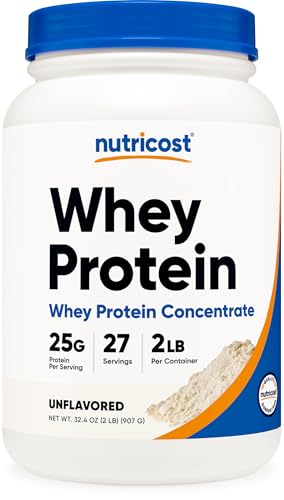
Nutricost Whey Protein Concentrate is a cost-effective option with unflavored powder, making it easy to blend into foods or drinks without added sugars. Best for those who want flexibility and affordability while maintaining total daily protein goals. Caution: concentrate products may have slightly more lactose and fat than isolates, so this might affect total carb and fat counts for strict diets.
Who it’s best for: budget-minded buyers needing reliable protein without flavor interference. Why selected: value-led choice with straightforward nutrition; caution: not ideal for individuals who need the leanest macros or have lactose sensitivity.
Optimum Nutrition Gold Standard 100% Whey Protein Powder

Optimum Nutrition Gold Standard uses whey protein concentrate and isolate to deliver about 24 g of protein per scoop, with naturally occurring BCAAs. This makes it a versatile choice for balanced muscle support and post-workout recovery. Best for: athletes who want a dependable, widely available protein with solid amino acid profile. Caution: labeled sugar and carbohydrate content can vary by flavor, so check the nutrition panel to align with goals.
Who it’s best for: individuals seeking a well-rounded, trusted protein supplement. Why selected: strong amino-acid profile and broad flavor options; caution: some flavors may carry higher sugar or carb counts than zero-carb alternatives.
Isopure Zero Carb 100% Pure Whey Isolate Protein Powder (3 Lbs)

This larger Isopure option provides a zero-carb isolate formula, supporting high-protein intake without adding carbs. Best for: those following keto-style or low-carb plans who still want a high-quality whey protein source. Caution: portion control is important to maintain zero-carb status per serving; verify label details for your exact plan.
Ascent 100% Whey Protein Powder

Ascent emphasizes native whey with zero artificial ingredients and rapid digestion for post-workout recovery. Best for: those seeking a natural ingredient approach without artificial flavors or sweeteners. Caution: Ascent products can be more expensive and may have a narrower flavor range than some mainstream brands.
Levels Grass Fed Whey Protein Powder

Levels offers a grass-fed whey option with no artificial flavors, no hormones, and no added sugars. Best for: those preferring clean labeling and non-GMO ingredients. Caution: flavor choices may be more limited; confirm that the product aligns with taste preferences.
Buying Guide: Key Purchase Considerations
- Protein type: Isolate vs concentrate. Isolates generally have higher protein per gram and less lactose and fat, which can be helpful for dairy sensitivity or stricter macro goals. Concentrates may be more affordable and contain more naturally occurring nutrients.
- Lactose tolerance: If lactose sensitivity is a concern, choose lactose-free isolates like Isopure Zero Carb options or check for lactose-reduced formulations.
- Carbohydrates and sugars: For cholesterol management via diet, select products with low or zero added sugars and modest carbohydrate content. Check nutrition panels, as some flavors vary.
- Flavor and mixability: Personal preference matters for adherence. Unflavored options offer versatility but may require blending with flavors to suit taste tests.
- Allergen considerations: Consider gluten-free labels if you have gluten sensitivities. Verify ingredient lists if you have dairy or soy concerns.
- Serving size and cost: Isolate-based products often cost more per serving. Compare protein per serving and total daily protein needs against budget.
- Whole-diet strategy: Pair whey protein with a balanced, heart-healthy diet rich in vegetables, fiber, and healthy fats. Protein alone does not lower cholesterol; it supports metabolic goals when part of a broader plan.
FAQ: Quick Answers For Buyers
- Can whey protein help lower cholesterol?
– Whey protein can support overall health and may aid in cholesterol management as part of a balanced diet, especially when it replaces higher-saturated-fat proteins. It is not a standalone treatment. - What type of whey is best for lactose sensitivity?
– Whey isolates, especially lactose-free isolates, are typically better for lactose-sensitive individuals. - Should I choose zero-carb or low-carb whey?
– Zero-carb options suit low-carbs or ketogenic-style plans. Consider your daily carb target and total dietary pattern. - Is unflavored whey better for cholesterol goals?
– Unflavored whey allows you to control sweeteners and added ingredients and can be blended into foods without altering taste profiles significantly. - Are there risks with whey protein and cholesterol medications?
– Some individuals taking cholesterol-lowering medications should consult a clinician before making major dietary changes, including adding high-protein supplements. - How much protein per day should I aim for?
– Protein needs vary by weight, activity, and goals. A typical range for active adults is 0.6–1.0 grams per pound of body weight, but consult a healthcare provider for personalized targets.