Best Wheat Berries for Bread: Top Picks for Everyday Baking
Choosing the right wheat berries can elevate home baking, delivering richer flavors, better texture, and dependable structure for bread. This guide highlights five highly regarded options that bakers in the United States commonly trust for grinding into flour or baking whole. Each item features reliable farming practices, storage longevity, and consistent milling performance—ideal for hearty, handmade loaves. Read on to compare kernels, varieties, and suitability for different bread styles, from rustic boules to chewy sandwich loaves.
| Product | Brand | Type | Net Weight |
|---|---|---|---|
| Hard White Wheat Berries | Palouse Brand | Hard White | 5 LBS |
| Hard Red Winter Wheat Berries | Palouse Brand | Hard Red Winter | 5 LBS |
| Soft White Wheat Berries | Palouse Brand | Soft White | 5 LBS |
| Yecora Rojo Hard Red Wheat Berries | Grand Teton | Hard Red | 5 LBS |
| Einkorn Berries | Jovial | Einkorn | 16 OZ |
Within this selection, the focus is on varieties that work well for bread—offering good gluten development, flavor depth, and compatibility with home milling or long-term storage. The list includes both widely milled white wheats and flavorful ancient grains, allowing bakers to experiment with textures and profiles while maintaining reliable performance in traditional loaves and modern recipes alike.
Hard White Wheat Berries – Palouse Brand

The Palouse Brand Hard White Wheat Berries are certified glyphosate residue free and Non-GMO Project Verified, with Kosher certification. They are farmed on a multi-generation Washington State farm and cleaned in a HACCP-certified facility. These berries are designed for robust doughs that bake into light, airy crusts with a mild flavor, suitable for everyday sandwich breads and artisan loaves alike. Their hard white variety yields a soft crumb with good volume when milled into flour or used as whole berries in cooked grains.
Key considerations include glyphosate-free status for peace of mind, and farm-to-table authenticity. These berries are non-irradiated and subjected to triple cleaning before packaging, supporting consistent milling performance and shelf stability. Ideal for bakers seeking reliable white wheat with approachable flavor and good gluten development for standard bread recipes.
Hard Red Winter Wheat Berries – Palouse Brand

These Palouse Brand Hard Red Winter Wheat Berries bring a deeper flavor and stronger gluten network, making them a classic choice for artisan breads, rustic boules, and enriched loaves. The product is certified glyphosate residue free and Non-GMO Project Verified, with kosher Parve certification. Grown on a Washington State farm, the berries are triple-cleaned and shipped direct to consumers to preserve freshness for milling into flour or cooking as a hearty base grain.
When baking, expect a richer crumb and a hint of sweetness from the hard red winter variety. It pairs well with seeds, nuts, and multigrain blends, producing a loaf with substantial structure and an earthy aroma that complements long fermentations and sourdough techniques.
Soft White Wheat Berries – Palouse Brand
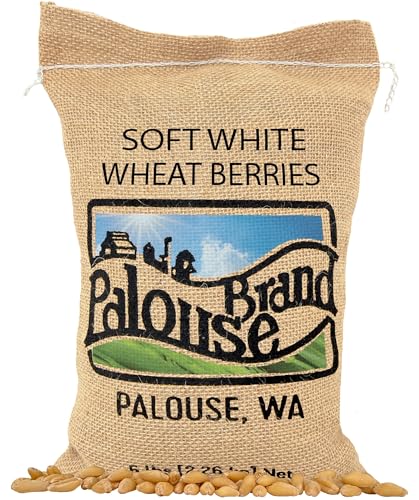
The Palouse Brand Soft White Wheat Berries are a versatile choice for bakers seeking a milder flavor and tender crumb. This soft white variety is well-suited for light breads, dinner rolls, and pastries where a delicate gluten structure is advantageous. The product carries glyphosate residue-free certification, is Non-GMO Project Verified, and Kosher-certified, with farm-to-table authenticity from a Washington State farm.
With soft white wheat, bakers often notice a smoother dough performance and a quicker rise, making it practical for weeknight bread projects. When milled, it yields a soft, pale crumb that can be enriched with fats or dairy for a comforting loaf or enriched sandwich bread.
Hard White Wheat Berries – 25 LBS

This bulk option offers the same glyphosate residue-free promise and Non-GMO Project Verified status as smaller packs, with the added convenience of bulk storage. The hard white wheat berries are grown on a Washington State family farm and triple-cleaned for high-quality milling into flour or for cooking. The larger size is ideal for frequent bakers or for those who bake bread in larger batches.
In bread applications, bulk hard white wheat yields a versatile flour with light color and mild flavor. It supports consistent fermentation and a dependable rise, whether you’re crafting sandwich loaves or rustic hearth breads with a modern aperture of toppings and seeds.
Hard White Wheat Berries – Wheatland

WHEATLAND’s Hard White Wheat Berries emphasize long shelf life and storage stability, with a focus on real, simple ingredients. The brand stresses non-GMO status and no glyphosate usage, presenting a reliable option for those who value chemical-free grains and emergency-preparedness mindset. These berries are packaged with Mylar and oxygen absorbers to maximize 30-year shelf stability, enabling bakers to stock up for future baking sessions without compromising quality.
For bread-making, these berries support sturdy doughs with good gluten development and a clean, mild flavor that lets other ingredients shine. They are suitable for grinding into flour or incorporating whole for hearty, chewy textures in rustic loaves and prepared meals.
Einkorn Berries – Jovial

Jovial Einkorn Berries offer a traditional, ancient grain option with a distinct flavor and robust nutrition profile. Einkorn is often celebrated for its lighter gluten structure and digestibility compared to modern wheat, making it appealing for bakers seeking a nuanced taste and a bread with a refined crumb. Jovial’s product is USDA Organic and Non-GMO Project Verified, delivering organic integrity alongside a high protein content that benefits dough strength and loaf height.
Using einkorn can yield breads with a nutty aroma and a slightly sweeter crumb. It’s an excellent choice for artisanal loaves, pan breads, and rustic rounds where a unique grain character enhances the overall experience.
Buying Guide: Key Purchase Considerations
Purpose and bread style: For everyday sandwich breads, hard white and soft white varieties provide a balanced crumb and mild flavor. For rustic or sourdough loaves, hard red winter or heritage types offer deeper flavors and stronger gluten networks. Ancient grains like einkorn add complexity and distinctive texture for specialty breads.
Grain quality and certifications: Look for glyphosate residue-free options if that is important for you. Non-GMO Project Verified and kosher certifications can help confirm quality and sourcing practices. Organic certifications further indicate agro-ecological farming methods.
Grain form and storage: Whole berries retain freshness longer than milled flour. If you grind at home, ensure your grinder can handle the variety’s protein content. For long-term storage, consider airtight containers in a cool, dry place or Mylar-lined options with oxygen absorbers for bulk purchases.
Flavor profile and dough behavior: White wheats tend to have milder flavors and lighter doughs, while red wheats contribute richer flavors and stronger gluten structures. Ancient grains like einkorn impart nutty flavors and can require slight recipe adjustments due to gluten strength variations.
Availability and sizing: A mix of 5-pound bags provides versatility for frequent bakers, while bulk 25-pound sacks are practical for serious enthusiasts or small-batch commercial bakers. Consider the cost-per-pound and storage space when choosing size.
Flavor pairings and blends: For enriched breads, combine white and red wheats with seeds, nuts, or dried fruits to balance flavors. For artisan loaves, allow longer fermentation and autolyse steps to maximize gluten development and aroma from the chosen grain.
Note: This article presents a curated selection of widely used wheat berries suitable for bakery-style breads. Always follow manufacturer guidelines for storage and milling, and adjust hydration in recipes based on the flour’s protein content and moisture.