Best Tamari Soy Sauce for Rich Umami and Gluten-Free Cooking
Tamari soy sauce stands out for deeper flavor, smoother texture, and a grain-free profile that suits gluten-free diets. This guide highlights five top tamari options from trusted brands, focusing on aging methods, gluten-free status, sodium levels, and traditional craft. Whether you’re marinating steaks, flavoring sushi rice, or dipping vegetables, the following selections offer authentic taste with consistent performance across dishes.
| Product | Brand | Notes |
|---|---|---|
| YAMASAN Kyoto Uji Japanese Premium Tamari | YAMASAN KYOTO UJI | Aged 2 years in wooden barrels; gluten-free; no MSG |
| San-J Glute Free Tamari Soy Sauce – Specially Brewed | San-J | Made with 100% soy; gluten-free; eight generations |
| Kikkoman Naturally Brewed Tamari | Kikkoman | Full-bodied; wheat touch; rich color |
| San-J Organic Gluten Free Tamari – 10 oz | San-J | Whole soy; gluten-free; milder, richer taste |
| San-J Gluten Free Tamari with 28% Less Sodium | San-J | Less sodium; 100% soy; traditional brewing |
When choosing tamari, consider authenticity of brewing method, gluten-free certification, sodium content, and whether a product uses whole soy or a lighter blend. The following sections spotlight each pick with concise details to help you compare at a glance and find the best match for your kitchen.
YAMASAN Kyoto Uji Tamari Premium
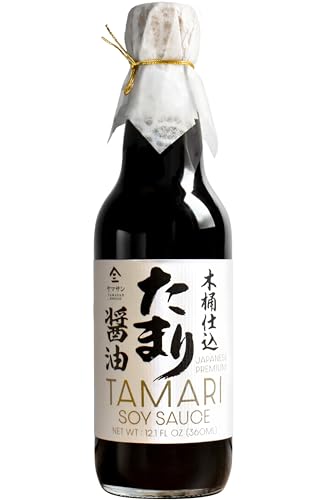
This premium tamari is aged in wooden barrels for two years, then pressed using traditional methods. It offers a deep color, a rich, full-bodied flavor, and is gluten-free with no MSG. The wooden barrel aging preserves a traditional profile and authentic soy sauce essence, ideal for chefs seeking a heritage product with robust umami.
San-J Gluten Free Tamari – Specially Brewed

Made with 100% soy and no wheat, San-J Tamari delivers a richer, bolder umami than typical soy sauces. It is certified gluten-free and reflects eight generations of family brewing, with no artificial flavors or colors. This sauce is tuned for deep flavors in stir-fries, marinades, and dipping sauces while maintaining a clean gluten-free profile.
Kikkoman Naturally Brewed Tamari

Kikkoman’s tamari is naturally brewed with a full-bodied profile and a deep color. A touch of wheat contributes to a smooth, balanced taste and rich aroma, making it a versatile choice for a wide range of dishes—from dipping sauces to marinades. It provides robust savoriness suitable for everyday cooking.
San-J Organic Gluten Free Tamari – 10 oz

Made with 100% whole soy, this gluten-free tamari delivers a richer and milder flavor than standard soy sauce. The organic certification signals a product aligned with clean ingredient standards, making it a reliable choice for health-conscious cooks seeking depth without gluten.
San-J Organic Tamari With 25% Less Sodium – 20 oz

This tamari offers 25% less sodium than standard Tamari, without compromising the robust soy flavor. It is certified gluten-free and brewed with 100% soy. It’s a suitable option for diners watching sodium intake while preserving the distinct umami of tamari in sauces, marinades, and cookware.
San-J Gluten Free Tamari with 28% Less Sodium

This 64-ounce container provides a full, richer taste with substantially less sodium. Made with 100% soy and gluten-free, it upholds eight generations of San-J brewing tradition, offering a dependable option for large kitchens or families seeking long-term supply without sacrificing flavor.
Buying Guide: Key Purchase Considerations
- Authenticity and aging: Traditional wooden-barrel aging, as seen in YAMASAN Kyoto Uji Tamari, tends to yield deeper, more complex flavors than some mass-produced versions.
- Gluten-free status: If gluten intolerance or celiac disease is a concern, verify certified gluten-free tamari (e.g., San-J products).
- Whole soy vs. blend: Tamari made with 100% soy often delivers richer umami; some products may include small amounts of wheat for flavor balance.
- Sodium content: For lower-sodium needs, consider tamari variants labeled with reduced sodium; these maintain flavor while cutting salt exposure.
- Container size and usage: Larger bottles are economical for frequent use; smaller bottles are convenient for trial or travel.
- Brand heritage: Brands with multi-generational brewing traditions often emphasize traditional methods and fewer artificial additives.
- Versatility: Tamari can replace soy sauce in most recipes, especially where a gluten-free option is required or where a richer, smoother profile is desired.
In summary, the best tamari choice depends on your goals—heritage craftsmanship and deep, umami-rich flavor (YAMASAN Kyoto Uji), gluten-free tradition with robust depth (San-J varieties), or a versatile, full-bodied option that balances taste and sodium (San-J Less Sodium and San-J 28% Less Sodium). Each product line provides reliable quality for American kitchens, from home cooks to professional setups.