Discover top sweet corn seeds that perform well in American gardens, delivering delicious, tender ears from mid to late summer. This guide highlights heirloom and hybrid options known for reliable germination, flavor, and ease of growing. Each selection is well-suited to a range of climates, from cool to warm growing zones, making them ideal for both beginners and seasoned gardeners seeking a bountiful harvest.
| Product | Brand | Notes |
|---|---|---|
| The Old Farmer’s Almanac Heirloom Sweet Corn Seeds (Golden Bantam) | The Old Farmer’s Almanac | Open-pollinated, USA origin, golden Bantam flavor |
| Seed Needs Peaches and Cream Sweet Corn Seeds | Seed Needs | Hybrid, SE sugar-enhanced, 230+ seeds |
| HOME GROWN Golden Bantam Corn 2 Pack | HOME GROWN | Heirloom, 200 seeds, beginner friendly |
| Burpee Ambrosia Sweet Corn Seeds | Burpee | Hybrid, 200 seeds, white and yellow kernels |
| Sow Right Seeds Bantam Sweet Corn Seed | Sow Right Seeds | Open-pollinated, tall variety, multiple ears per stalk |
The Old Farmer’s Almanac Heirloom Golden Bantam Corn

This open-pollinated variety, Golden Bantam, is a classic choice for home gardens. It thrives in warmer temperatures, typically 75-90F, producing plump, bright yellow kernels with a sweet, dessert-like flavor. For best results, select a sun-rich site and plan for tasseling and silking to align with warm, consistent heat. Ears reach maturity when the plants display dark green husks, brown silks, and kernels filled with milk-like juice. Packaging emphasizes gift-worthy seed packets with clear planting facts on the back, aiding first-time cultivators and veteran growers alike.
Seed Needs Peaches and Cream Sweet Corn

The Peaches & Cream hybrid delivers a bicolor experience with yellow and white kernels. This early-maturing variety typically reaches harvest in about 80-90 days, making it suitable for shorter growing seasons. To maximize pollination, plant in blocks rather than single rows, ensuring at least four adjacent rows for effective cross-pollination. Seed Needs emphasizes a straightforward growing process from seed to ear, with notes on soil temperature requirements (60°F or above) to promote robust germination.
HOME GROWN Golden Bantam Corn 2 Pack

Home Grown offers a reliable Golden Bantam option in a two-pack, with 100 seeds per packet. This heirloom variety is celebrated for its sweet, tender kernels and dependable yields, making it a strong choice for backyard gardeners seeking authentic, time-tested flavors. The seeds are described as beginner-friendly, thriving in full sun and a variety of soils. Adaptable to USDA zones 3-11, they tolerate temperatures from roughly 65°F to 95°F and typically reach impressive stalk heights with proper spacing and care.
Burpee Ambrosia Sweet Corn

Ambrosia is a white-and-yellow checkered, sugar-enhanced sweet corn known for its plump ears and early-to-mid-season harvest. Plants typically reach about 6.5 feet tall, with ears around 8 inches long. A reliable choice for picnics and summer meals, Ambrosia seeds are designed to perform well in garden plots across a range of climates. Gardeners can expect sweet kernels that carry a classic corn-on-the-cob flavor, suitable for fresh eating and a variety of corn-based dishes.
Sow Right Seeds Bantam Sweet Corn
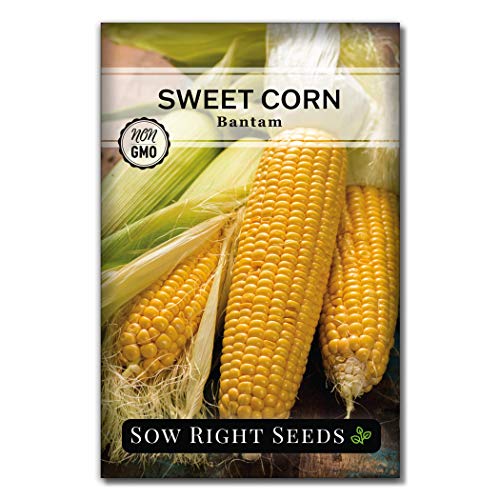
Sow Right Seeds offers a Bantam variety that is open-pollinated and designed for home vegetable gardens. This tall corn typically yields two or more ears per stalk, with ears featuring eight rows of golden kernels. The seed packet provides planting instructions and notes a germination window of 7-14 days when soil temperatures reach 65-75°F. The variety is described as productive and flavorful, ideal for gardeners seeking a classic corn-on-the-cob experience with a traditional, old-fashioned sweetness.
Buying Guide
Consider these purchase factors to choose the best sweet corn seeds for your garden.
- Open-pollinated vs hybrid: Open-pollinated seeds like Golden Bantam and Bantam varieties preserve trait stability for future seeds, while hybrids may offer uniformity and vigor in variable conditions.
- Climate suitability: Look for cool-season tolerance or warm-location performance. Some seeds list USDA zone ranges that guide where they perform best.
- Germination and stand establishment: Seed size, germination time, and soil temperature recommendations help plan when to plant and how to space rows for effective pollination.
- Pollination strategy: Plant in blocks to improve kernel development and uniform ears, especially for tall varieties that rely on wind pollination.
- Flavor and color: Decide between white, yellow, or bicolor kernels. Flavor profiles range from very sweet to classic, with color contributing to visual appeal on the plate.
- Garden scale and maintenance: For beginners, choose varieties advertised as beginner-friendly with clear growing instructions and robust germination.
Seed selection should align with your local frost dates, sun exposure, and soil type. In addition to variety traits, consider seed packaging quality, availability of planting instructions, and the gardener’s preference for heirloom versus modern hybrids. By evaluating these factors, you can assemble a balanced corn plan that yields tasty ears throughout the growing season while meeting your garden’s unique conditions.