Choosing the right sugar is essential for successful kombucha fermentation. This guide highlights five widely available organic cane sugars that are well-suited for brewing, sweetening beverages, and keeping flavors clean and bright. Each option varies slightly in texture, molasses content, and sourcing, but all support reliable SCOBY activity and consistent fermentation results.
| Product | Brand | Key Benefit |
|---|---|---|
| Fermentaholics Organic Cane Sugar | Fermentaholics | Certified Organic and OU Kosher; ideal for fermentation projects |
| Anthony’s Organic Cane Sugar | Anthony’s | Gluten-free, Non-GMO, vegan; reliable organic base |
| 365 by Whole Foods Market Organic Cane Sugar | 365 by Whole Foods Market | USDA Organic; convenient 64 oz packaging |
| Wholesome Organic Cane Sugar | Wholesome | Fair Trade, Non-GMO; blond crystals with molasses touch |
| Organic Cane Sugar Crystals (5 lb) | Relative Foods | Preservative-free; versatile for cooking and beverages |
Fermentaholics Organic Cane Sugar For Fermentation

Fermentaholics offers organic cane sugar that is well-suited for kombucha and other fermentation projects. The product is USDA Organic and OU Kosher certified, ensuring that it meets standard organic and dietary certifications that many home brewers value. Its 1 lb package is convenient for trial batches and smaller brews, and its clean cane sweetness makes it a reliable base for a wide range of fermented beverages.
The sugar crystals are designed to dissolve readily, minimizing stirring time during brewing. For beginners, this sugar’s predictable performance helps maintain steady fermentation activity without introducing extraneous flavors from extraneous sweeteners. It’s a practical option for regular kombucha brewing and for those who experiment with water kefir or cultured sodas.
Anthony’s Organic Cane Sugar, 3 lb

Anthony’s Organic Cane Sugar is a granulated, gluten-free, non-GMO option that many brewers rely on for consistent sweetness. The product is batch-tested to verify gluten-free status and is vegan, making it suitable for a wide range of dietary preferences. Its blonde-tinged crystals provide a clean sugar flavor with a traditional sweetness profile that blends well with the tang of fermentation, allowing the natural flavors of the tea to shine through without overpowering them.
365 by Whole Foods Market Organic Cane Sugar

365 by Whole Foods Market offers a 64-ounce bag of USDA Organic cane sugar. This option is convenient for home brewers who run regular batches and want a reliable, widely available ingredient. Its organic certification aligns with general clean-label trends and provides assurance for those who value responsibly sourced ingredients in their fermentation projects. The granules dissolve smoothly, supporting steady fermentation and predictable flavor development in kombucha batches.
Wholesome 10-Pound Organic Cane Sugar

Wholesome Organic Cane Sugar is a larger, cost-effective option with a slight molasses note in blond crystals. The product is Fair Trade, Non-GMO, gluten-free, vegan, and sustainably sourced, which appeals to brewers who prioritize ethical sourcing alongside performance. Its natural molasses content can add a subtle depth to beverages, but it remains versatile enough for conventional kombucha profiles where a classic sweetness is desired. It’s well-suited for bakers and brewers who prepare multiple batches.
Organic Cane Sugar Crystals (5 lb) By Relative Foods
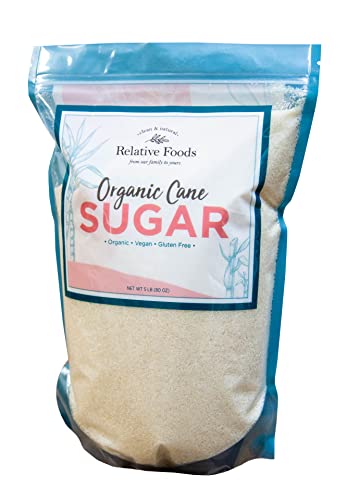
Relative Foods offers a 5-pound bag of organic cane sugar crystals, designed as a preservative-free, vegan-friendly sweetener suitable for a variety of culinary uses, including fermentation. The crystals retain natural molasses flavors which can contribute a balanced sweetness to beverages without introducing off-notes. This option is ideal for batch brewing where consistent sweetness and reliable dissolution are important, and it pairs well with tea-based bases used for kombucha.
Buying Guide: Sugar For Kombucha
- Quality and certification: Organic status and certifications (such as OU Kosher) help ensure clean ingredients free from additives. This matters for consistency in SCOBY-driven ferments.
- Texture and dissolution: Fine granules dissolve quickly in hot water, reducing the risk of gritty sweetness. For some brewers, slightly coarser crystals can influence mixing times, so test small batches first.
- Molasses content: Blond or lightly molassed cane sugar provides a classic sweet profile that supports lively fermentation without overpowering tea flavors. Heavier molasses can tint the brew with richer notes.
- Allergen and dietary considerations: Gluten-free, vegan, and Non-GMO labels can be guiding factors for households with dietary constraints or sensitivities.
- Packaging and value: Larger bags reduce cost per batch for frequent brewers. Consider storage in a cool, dry place to maintain quality over time.
- Flavor impact: While all cane sugars behave similarly in fermentation, subtle differences in mineral content and color can influence the final taste. For purists, a neutral-tinish sugar is preferred; for flavor experiments, a sugar with molasses notes can add depth.
- Brand reliability: Reputable brands with transparent sourcing improve consistency across batches and ease of troubleshooting if fermentation stalls occur.
The right sugar choice balances fermentation reliability with flavor goals. For most home brewers, any of these organic cane sugars will perform well in kombucha, provided consistent feeding and proper SCOBY care. When experimenting with new flavor profiles, you may wish to test a sugar with a mild molasses presence to see if it subtly enhances your preferred tea base without compromising the fermentation pace.