Discover rye flours that elevate sourdough starters with depth, aroma, and character. This guide highlights five top options, from organic whole-grain blends to traditional dark rye for robust breads and tangy starters. Each choice supports clean-ingredient baking and consistent results for American home bakers.
| Product | Brand | Type | Notes |
|---|---|---|---|
| King Arthur Organic Medium Rye Flour | King Arthur | Organic Medium Rye Flour | Complex flavor; US grown and milled |
| Great River Milling Organic Dark Rye Flour (2 lb) | Great River Milling | Dark Rye Flour | Earthy, bold flavor; whole grain |
| Great River Milling Organic Dark Rye Flour (5 lb) | Great River Milling | Dark Rye Flour | Same robust profile, larger bag |
| Early Morning Harvest Organic Dark Rye | Early Morning Harvest | Dark Rye Flour | Stone-ground, organic, GMO-free |
| Cultures For Health Artisan Sourdough Starter Culture | Cultures For Health | Sourdough Starter Culture | Dehydrated rye starter; beginner-friendly |
King Arthur Organic Medium Rye Flour
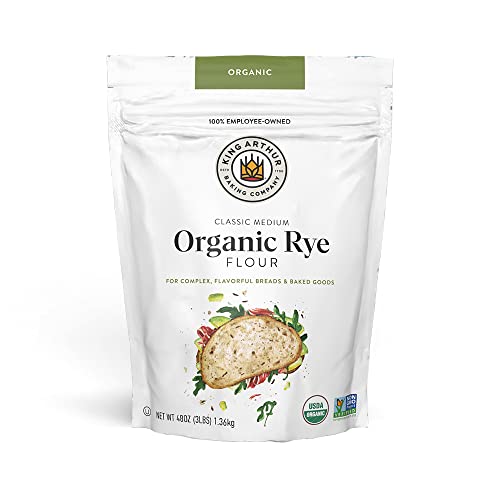
King Arthur Organic Medium Rye Flour offers a darker color and richer flavor than white rye flours, thanks to increased bran content. This 100% US-grown and milled flour is ideal for complex rye breads and baked goods, from rustic loaves to rye cookies. The Non-GMO Project Verified label aligns with health-conscious baking, making it a solid choice for sourdough starters that benefit from depth and robustness. Use in combination with white rye or other flours to tune texture and rise in your sourdough experiments.
Key attributes include organic certification, robust aroma, and versatility for rye-centric recipes such as rye chocolate chip cookies or rye banana bread. Home bakers who favor clean, natural ingredients will appreciate its consistent performance in charting strong, flavorful starters and finished loaves.
Usage tips
- Mix with white rye for lighter breads or use alone for a deeply flavored loaf.
- Hydration may need adjustment due to bran content; start at 70–75% and adjust based on dough feel.
- Maintain starter feeding with a portion of this flour to preserve flavor depth.
Great River Milling Organic Dark Rye Flour (2 lb)

This organic dark rye flour from Great River Milling emphasizes bold, earthy notes that pair well with sourdough starters and dense rye breads. Whole-grain composition including bran and germ enhances nutrition and adds a classic rye character, ideal for traditional loaf structure or pumpernickel-inspired results. Certified organic, non-GMO, and kosher, this flour supports clean baking with a depth of flavor that becomes more pronounced through fermentation and long fermentation times.
Tips for sourdough use: blend with lighter rye or wheat flours to manage hydration and rise, or keep it as a primary rye to emphasize tang and sturdiness. The unbleached format helps maintain a traditional crumb and crumb strength in artisanal loaves.
Practical considerations
- Higher mineral content can interact with starter acidity—adjust fermentation times as needed.
- Store in a cool, dry place; once opened, consider refrigerating to preserve freshness.
Great River Milling Organic Dark Rye Flour (5 lb)

The 5-pound bag of Great River Milling Organic Dark Rye Flour provides extended baking capacity for frequent sourdough projects. Its deep, earthy flavor and rich color make it well-suited for rye-focused recipes, from dense loaves to bagels and crackers that benefit from robust rye character. As with the 2 lb version, the flour is non-GMO, kosher, and organic, reinforcing clean-label baking practices.
Consider pairing with lighter flours to balance rise and texture, or use as the sole grain for a classic, hearty rye sourdough. The flour’s integrity stands up to longer fermentation, contributing a distinctive, old-world profile to your starters and finished loaves.
Storage and handling
- Keep away from moisture and heat; air-tight container preferred.
- Use within several months of opening for optimal flavor and performance.
Early Morning Harvest Organic Dark Rye

Early Morning Harvest Organic Dark Rye is stone-ground from locally grown, USDA-certified organic rye, delivering a traditional, authentic rye flavor. The dark flour’s deep color and unmodified composition make it a strong option for sourdough starters that lean into rye’s bold tang and earthy aroma. The resealable bag helps maintain freshness between bakes, ensuring consistent performance in long fermentation projects and stone-ground recipes like pumpernickel.
Use scenarios include starting a rye-forward starter or enriching a rye-dominant dough. The stone-ground process preserves bran and germ, contributing texture and nutrition that can influence crumb structure and flavor depth in your sourdough loaves.
Practical guidance
- Expect slightly denser dough; adjust water gradually to reach the desired dough feel.
- Combine with a portion of white rye or bread flour to balance rise and extensibility.
Cultures For Health Artisan Sourdough Starter Culture

The Artisan Sourdough Starter Culture from Cultures For Health is a dehydrated rye-based starter designed for both beginners and experienced bakers. It provides a reliable, clean start for crafting flavorful sourdough breads with rye accents. The product relies on unbleached rye flour and a straightforward rehydration process to achieve a stable, active starter that supports consistent rise and tang in a variety of rye-forward recipes.
Considerations include the balance between starter maintenance and recipe adaptation. Since this is a dehydrated culture, it offers a longer shelf life and flexibility for hobby bakers who rotate between rye-centered and mixed-flour sourdoughs. It is compatible with a range of rye flours to tailor aroma and texture in final loaves.
Starter management tips
- Rehydrate fully before feeding; feed with equal parts flour and water to maintain activity.
- Hydration needs may vary with rye flour—monitor dough consistency and adjust gradually.
Buying Guide: Rye Flour For Sourdough Starters
- Flour type: Dark, whole-grain rye provides stronger flavor and color, while medium rye offers a balanced profile suitable for a range of recipes. Choose based on desired intensity and loaf style.
- Organic and non-GMO claims: If you prioritize clean-label baking, prefer organic, non-GMO options with transparent sourcing and milling practices.
- Grain content: Whole-grain rye retains bran and germ for nutrition and texture, contributing to denser, more flavorful doughs and starters. Lightly milled or blend options can improve rise and crumb.
- Starter compatibility: For beginners, dehydrated starter cultures offer convenience and shelf stability. For traditional baking, live or artisanal starters can provide unique flavor dynamics when used with rye flour.
- Hydration and fermentation: Rye absorbs water differently than wheat. Start with higher hydration (60–75% depending on blend) and adjust to achieve a supple dough. Longer fermentations can deepen rye flavor.
- Storage and shelf life: Store rye flour in a cool, dry place; refrigerate or freeze after opening to preserve aroma and prevent rancidity. Starter cultures should be kept according to manufacturer guidelines.
- Blend strategies: Many bakers blend rye with bread flour or rye with white rye to balance density, gluten development, and tang. Experiment with ratios to tailor crumb, rise, and flavor.
- Allergen considerations: Rye is a gluten-containing grain; ensure cross-contact is managed if you or your guests have gluten sensitivities or celiac disease.