Choosing the right rub can transform a roast beef into a centerpiece with bold, savory depth. The following picks are selected for their beef-centric focus, ingredient quality, and versatility across roasting, smoking, and grilling. Each product is evaluated on flavor balance, grill compatibility, and overall value to help home cooks and pitmasters alike achieve standout beef results.
Below is a quick summary of the five rubs chosen for roast beef applications. This table provides a snapshot of brand, standout feature, and ideal use cases to help you compare at a glance.
| Product | Brand | Key Feature | Best Used For |
|---|---|---|---|
| Kosmos Q Texas Beef Dry Rub 13.8 Oz | Kosmos Q | Bold garlic, onion, lemon with savory spices | Brisket, chuck roast, beef ribs |
| Traeger Grills SPC169 Beef Rub | Traeger | Molasses and chili pepper notes for beef pairing | Beef roasts, ribs, steak |
| Hardcore Carnivore Black Rub | Hardcore Carnivore | Activated charcoal with bold steak-friendly spice | Steak, brisket, burgers |
| Heath Riles BBQ Rub – Beef | Heath Riles BBQ | Peppery beef blend with award-winning flavor | Beef roasts, vegetables, pork and chicken |
| Big Poppa’s Competition Brisket & Steak Rub | Big Poppa Smokers | Smoked sea salt and beef stock for competition-level depth | Brisket, ribeye, steaks |
Kosmos Q Texas Beef Dry Rub 13.8 Oz
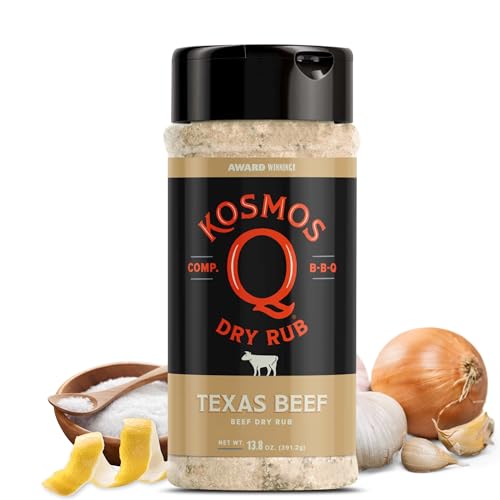
Flavor profile centers on garlic, onion, lemon, and savory spices designed to enhance beef cuts including brisket, beef ribs, chuck roast, and burgers. The formula emphasizes real ingredients with no fillers, packaged in a shaker for convenient seasoning during roasting or grilling. Its beef-centric focus makes it a strong candidate for roast beef preparations seeking a bold Texas-inspired crust.
Kosmos Q Texas Beef BBQ Dry Rub (16 Oz)

This larger bag echoes the same bold Texas flavor with garlic, onion, lemon, and savory spices. It’s crafted for beef but versatile enough for ribs, poultry, and potatoes. The built-in shaker and emphasis on real ingredients aim to deliver dependable flavor whether you’re smoking low and slow or grilling hot and fast. It’s a natural companion for roast beef attempts that require a robust, yet balanced, crust.
Traeger Grills SPC169 Beef Rub

Traeger’s beef rub blends molasses, paprika, onion, and chili powder, offering a savory-sweet balance suited to beef roasts and burgers. Its kosher, GMO-free, and gluten-free attributes support broader dietary considerations, while the molasses element provides a glaze-like finish that can aid crust formation on roasts. This rub is appropriate for cooks seeking a traditional beef flavor with a touch of sweetness.
Hardcore Carnivore Black Rub
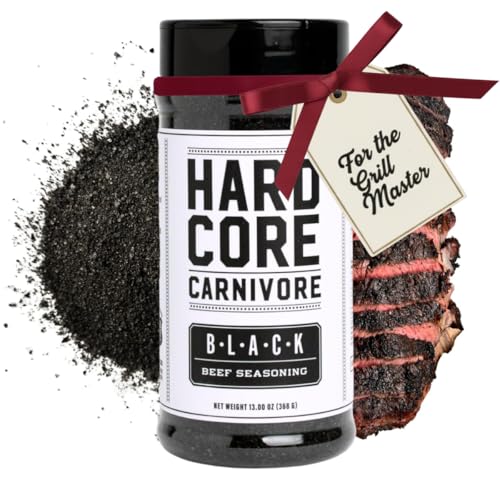
Activated charcoal in this Texas-made rub contributes a distinctive crust and bold flavor suitable for steak, brisket, and burgers. The product emphasizes high-quality ingredients and a robust, smoky profile ideal for searing roasts or finishing on the grill. Its unique color and texture can also influence the visual appeal of a roast crust when applied as a final bark layer.
Heath Riles BBQ Rub – Beef

This peppery beef rub blends salt, pepper, garlic, and complementary spices to elevate roasts and vegetables alike. Heath Riles emphasizes authenticity and a proven flavor profile with championship appeal. It’s a solid option for cooks who want a reliable beef-focused rub with broad compatibility across various roast beef recipes.
Big Poppa’s Competition Brisket & Steak Rub

Big Poppa Smokers’ rub emphasizes bold, savory richness with smoked sea salt and natural beef stock. Designed for competition-grade depth, it aims to deliver dependable bark and a balanced beef flavor on brisket, ribeye, and other roasts. The blend seeks to enhance meat without overpowering its natural character, making it suitable for serious home cooks and hobbyists alike.
Buying Guide: Key Purchase Considerations For Roast Beef Rubs
When choosing a rub for roast beef, consider flavor balance, texture, and usage versatility. A beef-centric formula with garlic, onion, salt, and paprika generally pairs well with roasts, offering a savory crust without masking the meat’s natural flavors.
- Flavor profile: Decide between bold, spicy, smoky, or sweet-and-savory. Molasses or sugar can aid caramelization but may not suit every roast cut.
- Ingredients quality: Look for real ingredients, minimal fillers, and no artificial additives if possible.
- Texture and application: Fine powders can provide an even crust, while coarser blends may create more pronounced bark during longer roasts.
- Versatility: Consider rubs that perform well across different beef cuts (prime rib, brisket, chuck roast) and even side dishes, for a hedge against misfires.
- Diet and allergens: Check for gluten-free, kosher, or non-GMO labels if relevant to your household.
How to Apply For Best Results
Pat the roast dry, apply a light oil or binder if needed, then rub evenly on all surfaces. For a stronger crust, apply a thicker coat and let it sit for at least 15–30 minutes before roasting or smoking. Monitor internal temperature to avoid overcooking, and consider finishing with a light glaze or oil to promote crust formation in the final stages of cooking.
Roast Beef Scenarios And Rub Fit
A Texas-style garlic-onion-lemon blend often shines on brisket and chuck roast, delivering pronounced beef notes while remaining complementary to long smoking sessions. A molasses-forward rub can enhance a roast with a subtle sweet glaze, ideal for ribeye roasts or prime rib when a gentle crust is desired. Activated charcoal blends create a bold bark but may be best reserved for cooks seeking a dramatic appearance and deeper smoke interaction. Lastly, a classic peppery beef rub remains a reliable, well-rounded choice for everyday roasts and pan searing.
By comparing these options, readers can select a beef-forward rub that aligns with their equipment (offset smoker, pellet grill, or oven), cooking style, and desired crust depth. Each product listed provides a distinct pathway to a flavorful roast beef experience without relying on high-sugar ingredients or artificial additives.