Best Rosewater for Cooking: A Clear Guide to Flavorful Desserts and Dishes
Rosewater is a versatile cooking ingredient that adds a subtle floral note to desserts, beverages, and savory dishes. This guide highlights five reliable options, describes who they’re best for, and explains how to use them effectively. Ideal buyers include home cooks seeking authentic Middle Eastern and South Asian flavor, bakers testing delicate desserts, and anyone curious about enhancing yogurt, rice dishes, or puddings with a gentle rose aroma.
Summary table of top picks:
| Product | Brand | Best For |
|---|---|---|
| CORTAS Rose Flower Water, 10 OZ | Cortas | Authentic Lebanese flavor; desserts like tapioca or rice puddings |
| Sadaf Rose Water, 10 Ounce | Sadaf | Versatile cooking water for Persian, Arabic, Indian dishes |
| Cortas Premium Rose Water 10 oz – Pack 2 | Cortas | Bulk option for baking and cooking; desserts and some skincare uses |
| Nielsen-Massey Rose Water for Baking, 2 Oz | Nielsen-Massey | Premium, chef-grade flavor for baking and refined dishes |
| Sadaf Rose Water 20 Oz | Sadaf | Economical bulk size for frequent use in beverages and desserts |
| Cortas – Rose Flower Water, 17 Fl Oz | Cortas | Great for cocktails, cooking, and chilled use |
CORTAS Rose Flower Water, 10 OZ
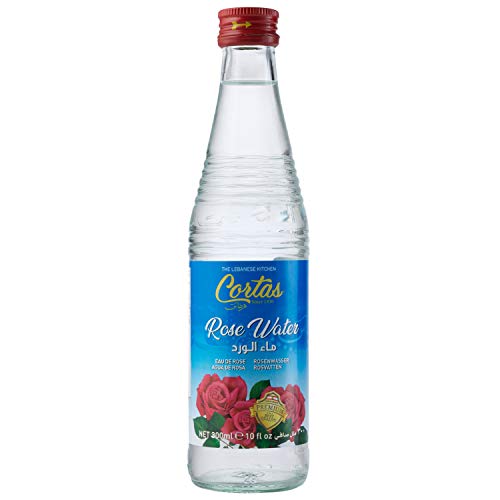
Best for authentic Lebanese flavor in simple desserts. The product emphasizes regional origin by supporting local economies and pairs well with creamy puddings like tapioca or rice, finished with pistachios for an elegant touch. Suitable for bakers seeking a subtle rose aroma without overpowering other ingredients.
Best use: Add a splash to puddings, syrups, or dairy desserts. Caution: potent rose aroma can dominate if overused; start with small amounts and adjust.
Sadaf Rose Water, 10 Ounce

Best for versatile, everyday cooking water. Sadaf’s rose water is made by steeping rose petals in distilled water, delivering fragrance suitable for Persian, Arabic, Indian, or other cuisines. It works well as a flavor boost in beverages, desserts, or cocktails. It is food-grade edible and should be diluted for direct drinking.
Best use: Drizzle into beverages, lace into desserts, or mix with yogurt. Limitation: intensity can vary; test in a small portion before scaling up in recipes.
Cortas Premium Rose Water 10 oz – Pack 2

Best for bulk cooking and baking. This two-pack of rose water from Cortas is ideal for households or small bakeries. It pairs well with ricotta desserts, Italian sponge cakes, cookies, and general cooking. It is also noted for potential use in skincare routines, offering a broad utility beyond cooking.
Best use: Stock up for frequent use; avoid using raw in high-heat dishes without tasting first, since aromatics can shift during baking.
Nielsen-Massey Rose Water for Baking, 2 Ounce Bottle

Best for premium, chef-focused use. Nielsen-Massey offers an elegant steam distilled rose water with a reputation for all-natural flavor and sustainability. This product suits bakers and home cooks aiming for high-quality floral notes in Middle Eastern, Indian, Greek, and other cuisines. It’s a top pick for those who want a refined, delicate rose aroma.
Best use: Ideal for baking, desserts, and refined beverages. Limitation: small bottle size may require more frequent purchases for high-volume use.
Sadaf Rose Water 20 Oz

Best for cost-conscious cooks who use rose water regularly. The 20-ounce size offers economical value for those who frequently flavor beverages, desserts, or rice dishes. Sadaf’s blend remains versatile for Persian, Arabic, and Indian recipes, delivering a dependable rose aroma and flavor. Dilution recommendations apply for direct drinking.
Best use: Use in larger batches of syrups or rice puddings. Limitation: larger bottle may require proper storage to maintain freshness after opening.
Cortas – Rose Flower Water, 17 Fl Oz (500ml), Large

Best for chilled consumption and mixed drinks. Cortas’ larger 17-ounce bottle is positioned for those who want to enjoy rose water on its own when cooled or to use in cocktails and larger recipes. Made from Damascena roses, this option emphasizes traditional flavor with broad culinary compatibility.
Best use: Great for cocktails and generous dessert recipes. Caution: larger bottle increases the chance of aroma loss if improperly stored; keep sealed when not in use.
Buying Guide: Key Purchase Considerations
- Flavor strength: Some brands offer a delicate floral note, while others provide a more pronounced aroma. If you’re new to rosewater, start with a small bottle to gauge intensity.
- Purity and ingredients: Look for 100% rose water with no added flavors or colorants. Many enjoy rose water as a natural flavor enhancer rather than a synthetic product.
- Origin and authenticity: Rosewater from traditional regions like Lebanon or Damascena roses tends to have distinct character suitable for Middle Eastern and Mediterranean dishes.
- Use cases: Choose based on typical recipes—baking and desserts may benefit from premium, neutral notes, while beverages and cocktails can tolerate stronger aromas.
- Packaging and size: For frequent use, larger bottles offer better value; if new to rosewater, smaller bottles reduce waste and trial risk.
- Storage: Store in a cool, dark place after opening. Some aromas can fade with heat or light exposure, so proper storage helps maintain potency.
Frequently Asked Questions
- What is rosewater best used for in cooking?
Rosewater is ideal for desserts, rice dishes, yogurt-based recipes, beverages, and some spice blends. It adds a subtle floral aroma and can elevate pastries like baklava, rice pudding, and panna cotta.
- How much rosewater should I add to a recipe?
Start with 1/4 to 1/2 teaspoon for small dessert servings. Increase gradually, tasting as you go to avoid overpowering the dish.
- Can rosewater be used in savory dishes?
Yes, in small amounts. It can brighten some savory sauces, dressings, and meat glazes when balanced with citrus or spice.
- Does all rosewater come from edible petals?
Most culinary rosewaters are produced from edible rose petals; check product labels to confirm culinary use approval and absence of synthetic additives.
- Is fresh rosewater better than bottled?
Fresh rosewater can offer brighter aromatics, but bottled versions provide consistent flavor, shelf stability, and convenience for everyday cooking.