Best Japanese Short Grain Rice for Sushi-Quality Dishes and Everyday Meals
Japanese short grain rice is prized for its slightly sweet flavor, soft texture, and stickiness that makes sushi and other dishes hold together beautifully. This guide highlights reputable options from trusted brands, with quick cooking times and authentic textures to help home cooks achieve restaurant-quality results. Explore a curated selection that balances premium varieties with accessible, everyday options.
Summary of chosen products:
| Product | Brand | Size | Notable Benefit |
|---|---|---|---|
| Japanese Short Grain White Koshihikari | Shirakiku | 15 lb | Premium quality, quick cook, ideal for sushi |
| Japanese Style Short Grain White Koshihikari | Shirakiku | 4.4 lb | Soft, slightly sticky texture, versatile for sushi |
| Super Premium Short Grain Rice | Tamanishiki | 4.4 lb | High-end sushi rice with traditional profile |
| Nishiki Premium Rice, Medium Grain | Nishiki | 15 lb | Widely used in homes; reliable storage and texture |
| Lundberg Organic California Sushi Rice | Lundberg | 32 oz | California-grown, versatile for sushi and bowls |
Shirakiku Dried Grains & Rice – Japanese Short Grain White Koshihikari (15 lb)

Premium quality rice with a quick cooking time, cultivated using traditional farming principles. This short grain is naturally cultivated on organic farms and is noted for its pearly white color and soft, slightly sticky texture. It is well-suited for making sushi due to its slightly sweet flavor and low glycemic index, contributing to balanced meals with a satisfying bite. The variety’s resilience in texture makes it a dependable choice for nigiri and rolls, especially when preparing multiple servings.
Shirakiku Dried Grains & Rice – Japanese Style Short Grain White Koshihikari (4.4 lb)

This premium Japanese style short grain rice delivers a soft yet sticky texture and a pearly white appearance. The quick cook time and digestibility make it a chef favorite for sushi, with a slightly sweet flavor and low glycemic index supported by notable resistant starch. It’s a reliable choice for at-home sushi prep or any dish demanding cohesive grains that hold shape well in bites.
Tamanishiki Super Premium Short Grain Rice (4.4 lb)
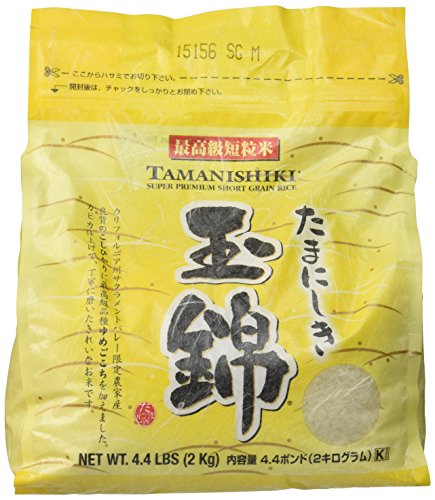
Tamanishiki is renowned for its premium profile among short grain rices. This 4.4-pound package offers a refined texture with well-balanced stickiness, ideal for sushi, nigiri, and other grain-based preparations. The variety is a favorite of chefs who seek consistent results in portion-controlled, restaurant-style servings at home, without sacrificing the delicate, charry aromas associated with high-quality rice.
Nishiki Premium Rice, Medium Grain (15 lb)
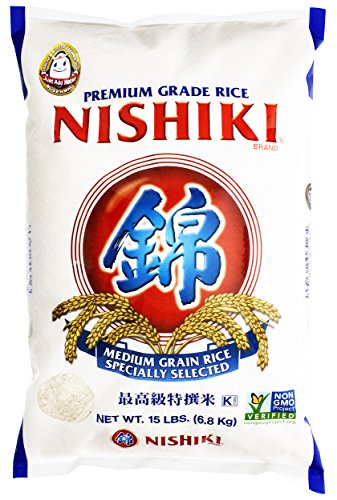
Although labeled as medium grain, Nishiki is a staple in many kitchens for its dependable performance and storage. It delivers a balanced texture that can be used in sushi bowls, fried rice varieties, and everyday side dishes. The 15-pound bag provides a practical option for households that frequently prepare rice-based meals, offering reliable moisture control when stored properly in a cool, dry place.
Lundberg Organic California Sushi Rice (32 oz)

Grown in California by Lundberg Family Farms, this short-grain rice is designed specifically for sushi, delivering the stickiness and glossy appearance chefs seek. The product is organic, non-GMO, gluten-free, and kosher, with a serving-friendly 32-ounce jar. Its versatility extends beyond sushi to bowls, mochi, and other sticky-rice recipes, making it a dependable pantry staple for varied culinary needs.
Buying Guide: Key Purchase Considerations
- Grain type and texture: Short grain varieties tend to be stickier, making them ideal for sushi. If you want light, fluffy grains, you may opt for medium grain but still look for sushi-grade labels.
- Flavor and aroma: Premium rices often carry a subtle sweetness and fragrant aroma. This can significantly influence the mouthfeel of sushi and rice bowls.
- Cooking time and water ratio: Quick cook times and precise water-to-rice ratios help achieve consistent results. Rinsing the rice before cooking reduces surface starch for a cleaner finish.
- Origin and cultivation: Organic farming practices, non-GMO status, and region of origin (Japan vs. California) can affect flavor, texture, and sustainability considerations.
- Storage and shelf life: Cool, dry storage is essential to preserve texture and prevent pests. Larger bags are economical but may require proper rotation and airtight containment.
- Dietary considerations: Gluten-free options are common in sushi rice blends. Check for additional certifications (Kosher, Non-GMO, etc.) if these matter for you.
- Usage versatility: Some rices are marketed specifically for sushi, while others perform well in bowls, fried rice, or mochi. Choose based on your planned recipes.
- Brand reputation: Established brands with long-standing sushi traditions tend to offer more consistent textures and flavor profiles across batches.
Additional Considerations For Different Kitchens
For households that frequently host sushi nights, investing in a premium short grain rice can improve consistency and reduce variability between batches. Chefs often prefer varieties like Tamanishiki for their refined texture, while accessible options from Nishiki or Shirakiku provide dependable daily-use results. If you’re cooking for gluten-free or gluten-sensitive individuals, confirm labeling and ingredients for cross-contamination notices. Organic California rice from Lundberg offers a different terroir and environmental story that some cooks value in daily meal planning.
Storage And Cooking Tips
- Rinse rice thoroughly until the water runs clear to remove surface starch.
- Soak short grain rice briefly before cooking to promote even texture and reduce cooking time.
- Use a rice cooker with a sushi or short-grain setting or follow precise stove-top ratios for your chosen brand.
- Let cooked rice rest for a few minutes covered, then fluff with a wooden paddle to preserve texture.
- Store uncooked rice in an airtight container in a cool, dry place; refrigerate or freeze for longer-term storage.
Final Notes On Selection Across The Market
The five products highlighted here cover a spectrum from premium, high-end sushi rice to reliable everyday options. Brand familiarity, grain texture, and cooking ease all play roles in selecting the right rice for your needs. By prioritizing texture, aroma, and storage practicality, you can achieve consistent sushi-grade results or everyday meals with minimal guesswork, whether you’re preparing nigiri at home or serving a simple rice bowl to family.