Herbal teas offer a simple, scalable way to enjoy garden-fresh flavors and soothing remedies. This guide highlights five highly relevant herb seed kits and reference titles that help American growers cultivate tasty, healthful blends at home. Each section provides a concise overview, key features, and practical growing tips to maximize germination and flavor. Whether you’re a windowsill grower or backyard herbist, these picks make a tea garden easier and more rewarding.
Summary of chosen products:
- Organo Republic – 35 Medicinal & Tea Herb Seeds Variety Pack (Non-GMO heirloom seeds for indoor or outdoor growing).
- Storey Publishing – Rosemary Gladstar’s Medicinal Herbs: A Beginner’s Guide (33 healing herbs to know, grow, and use).
- HOME GROWN – Indoor Organic Herb Garden Kit, 4 herb seeds, kitchen window garden.
- Tactiko Survival – 40 Medicinal and Tea Herb Seeds Variety Pack (US-grown heirloom, non-GMO).
- Seed Needs – Herb Seeds Variety Pack Culinary Herb Collection (12 packets, indoor/outdoor).
Organo Republic 35 Medicinal & Tea Herb Seeds Variety Pack Overview

This vast seed assortment delivers 16335+ non-GMO heirloom seeds for indoor or outdoor cultivation. The package includes popular culinary and medicinal herbs such as anise, bergamot, chamomile, cilantro, rosemary, thyme, and many more. Grow these herbs to brew fresh teas and culinary infusions throughout the year. The seller emphasizes a high germination rate, a detailed growing guide, and the flexibility to start seeds in pots, window boxes, or garden beds. The kit is especially appealing for home cooks who want year-round access to garden-to-cup flavors.
Growing considerations for tea lovers:
- Germination and timing: Start indoors in early spring or whenever risk of frost ends. Many included herbs thrive with ample light and consistent moisture.
- Companion plantings: Pair herbs like chamomile, lemon balm, and mint with basil and rosemary to support pollinators and flavor diversity.
- Harvesting for tea: Pick leaves and flowers just before flowering for the best aroma, and dry them in a cool, dark place to preserve essential oils.
Rosemary Gladstar’s Medicinal Herbs: A Beginner’s Guide

This beginner-friendly guide catalogues 33 healing herbs, including practical notes on growing, harvesting, and using them. It emphasizes safe, informed use and provides approachable recipes and tea ideas. The text is suitable for readers new to herb gardening, offering grounding knowledge about medicinal properties and traditional applications. While not a seed kit, it complements seed purchases by improving herb-usage skills, flavor understanding, and seasonal brewing ideas. It serves as a durable reference for aspiring herbal tea blends and household remedies.
Key takeaways for tea cultivators:
- Herb selection: The book covers commonly grown tea herbs like chamomile, lemon balm, and peppermint, with guidance on substituting or combining flavors.
- Growing confidence: Clear tips for soil, light, and water needs help beginners avoid common germination errors.
- Use cases: Recipes and teas illustrate how to translate harvests into comforting brews and everyday wellness drinks.
HOME GROWN Indoor Organic Herb Garden Kit
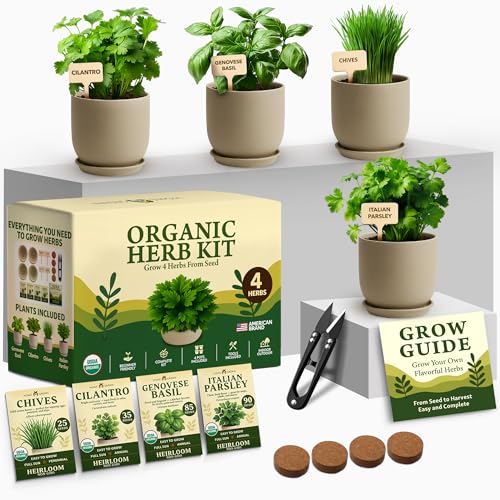
This turnkey kit brings an organic, beginner-friendly approach to growing herbs for tea in limited spaces. It emphasizes ECOCERT-certified organic standards, non-GMO components, and a complete seed-to-plate experience. With four herb seeds included, white-glove packaging helps ensure a clean, dependable start for kitchen windowsills or small apartments. The kit’s design prioritizes ease of use, making it accessible for first-time gardeners who want fresh ingredients without garden space commitments.
Practical tea garden tips from this kit:
- Space-saving setup: Ideal for countertops or small balconies; use compact pots or trays for a mini herb yard.
- Organic integrity: The kit avoids synthetic inputs, aligning with clean-label cooking and teas.
- Year-round harvest: Many included herbs perform well indoors with consistent light and regular trimming.
Tactiko Survival 40 Medicinal and Tea Herb Seeds Variety Pack

This extensive collection includes 40 heirloom, non-GMO herbs suitable for tea, culinary uses, and natural remedies. The package supports both indoor and outdoor growing, accommodating different climates and space constraints. It features well-known favorites such as chamomile, lemon balm, rosemary, and lavender, along with a broad mix of annuals and perennials for ongoing harvests. A detailed growing guide covers light, water, and care tips, making it a strong option for steady, year-round tea production in diverse USDA zones.
Seasonal and usage considerations:
- Tea versatility: Harvest leaves for blends, drying for winter storage, or fresh-infuse for aromatic cups.
- Growing flexibility: Suitable for windowsills or gardens; plan for sun exposure and drainage to optimize germination.
- Management of herbs: Regular pruning supports bushier growth and continuous leaf production without overharvesting.
Seed Needs Herb Seeds Variety Pack Culinary Herb Collection

This 12-pack collection focuses on culinary and edible herbs ideal for teas and kitchen gardens. The assortment includes basil, chives, cilantro, dill, oregano, parsley, sage, thyme, rosemary, among others. The seeds are described as heirloom and non-GMO, and the kit emphasizes indoor or outdoor planting with added guidance for hydroponic setups. It’s well-suited for those who want a compact, varied seed assortment to experiment with multiple tea flavors and recipes throughout the year.
Flavor and cultivation notes:
- Partnerships for blends: Combine mint with lemon balm for refreshing iced teas; pair chamomile with lavender for calming brews.
- Indoor viability: Most varieties can thrive in containers with good drainage and enough light, making them accessible to city dwellers.
- Creative use: Beyond tea, these herbs enhance soups, salads, and desserts, maximizing garden-to-table versatility.
Buying Guide: Key Purchase Considerations For Tea Herb Growers
When selecting herb seeds or kits for tea, consider space, climate, and intended tea profiles. The market offers a mix of seed packs and starter kits. Here are multiple perspectives to help you choose wisely:
- Space and setup: If you have limited space, favor indoor kits with compact pots or window-sill setups. For larger gardens, seed variety packs provide more flavor options and continuous harvests.
- Germination and viability: Look for high germination rates and clear growing guides. Heirloom and non-GMO labels are common in quality seed packs and can indicate robust germination for many herbs used in teas.
- Herb profiles: Favor a mix of calming herbs (chamomile, lemon balm, peppermint), savory notes (rosemary, thyme), and bright citrus accents (bergamot, orange zest-inspired flavors) to create balanced blends.
- Sustainability and organic standards: ECOCERT and similar organic certifications can be important if you prioritize chemical-free gardening and clean ingredients for daily teas.
- Future expansion: Consider seed packs that offer a broad variety of herbs beyond basic basil and parsley. A wider pool supports more complex and seasonal tea recipes.
- Educational value: Complement seed purchases with reference guides that cover harvesting timing, drying methods, and storage to maximize flavor retention over time.
In practice, a well-rounded tea garden often combines a robust seed kit for ongoing harvests with an authoritative guide to ensure correct usage and informed experimentation. The five products above provide a spectrum—from large variety seed packs ideal for experimentation to beginner-friendly books and compact kits that support steady, year-round brews. As you grow, keep notes on which herbs perform best in your climate and which blends your household most enjoys, then tailor future purchases to those preferences.