Choosing the right frozen mixed vegetables can save time without compromising nutrition. This article highlights five popular options available on Amazon, focusing on flavor, convenience, and how they fit into busy American lifestyles. Whether you’re meal prepping, stocking a pantry, or planning weeknight dinners, these blends provide versatility and consistent quality. Explore the selections below to compare ingredients, preparation times, and practical uses in a variety of dishes.
| Product | Brand | Key Benefit |
|---|---|---|
| Frozen Mixed Vegetables | Amazon Grocery | Preservative-free options with familiar flavor |
| Organic Mixed Vegetables No Salt Added | 365 by Whole Foods Market | Low-sodium, quick-frozen for flavor |
| Organic California Style Blend | 365 by Whole Foods Market | Bright, diverse veggie mix for a quick skillet meal |
| Mixed Vegetables | BIRDS EYE | Classic steamable blend with corn, carrots, green beans, peas |
| California Vegetable Blend | Amazon Grocery | Colorful mix with familiar vegetables, convenient packaging |
Below you’ll find five detailed product sections. Each entry offers a concise snapshot, key features, and practical serving ideas to help you decide which blend best fits your meals and dietary preferences.
Amazon Grocery Frozen Mixed Vegetables

This 12-ounce bag represents a transition of Happy Belly products into the Amazon Grocery line. The package notes no preservatives or artificial ingredients, aligning with straightforward, everyday cooking. The blend provides a neutral base suitable for casseroles, stir-fries, or a simple microwaved side dish. Packaging may vary, but the core ingredients remain consistent for reliable results across multiple servings.
365 By Whole Foods Organic Mixed Vegetables No Salt Added

These organic vegetables are quick-frozen to preserve flavor, with no added salt for a lighter finish. Ready in 12-15 minutes, they fit well into busy weeknights. The no-salt approach makes them versatile for seasoning from scratch and pairing with lean proteins or whole grains. They also offer a clean canvas for curries, stews, or side dishes where salt control matters.
365 By Whole Foods Organic California Style Blend

The Organic California Style Blend brings squash, beans, green beans, red peppers, and onions into a single bag. It’s quick to cook—6-8 minutes—making it ideal for a fast veggie side or a component of a larger stir-fry. The blend emphasizes vibrant colors and a variety of textures, appealing to families seeking a familiar, balanced assortment of vegetables in one ready-to-cook package.
Birds Eye Steamfresh Mixed Vegetables

This 10-ounce bag is designed for easy preparation, with classic mixed vegetables including corn, carrots, green beans, and peas. The Steamfresh format supports quick steaming in the microwave, preserving color and texture. The product functions well as a ready-made side or as a mix-in for pasta dishes and grain bowls, delivering a reliable vegetable presence with minimal effort.
Amazon Grocery California Vegetable Blend

Another 12-ounce option carrying the Amazon Grocery label, this California Vegetable Blend emphasizes a broad mix of common vegetables with a transition-friendly packaging note. The blend’s versatility makes it suitable for sheet-pan dinners, veggie-forward curries, or as a base for veggie-forward sauces. Its consistent ingredients and no-preservatives stance align with everyday family meals.
Amazon Grocery Peas & Carrots

This 12-ounce bag centers peas and carrots as a simple, versatile mix. The product emphasizes no preservatives or artificial ingredients, reflecting a straightforward approach to frozen vegetables. It pairs well with proteins like chicken or fish and can be folded into soups, stews, or rice dishes for balanced, colorful meals.
365 By Whole Foods Organic Stir Fry Vegetable Blend
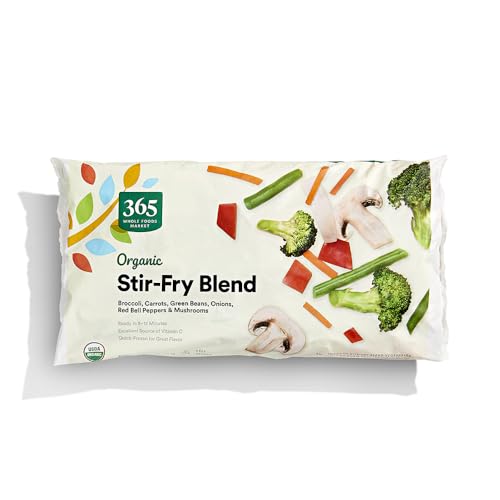
This stir-fry blend is designed for quick-cook meals with a focus on flavor and texture. Ready in 8-10 minutes, it supports weeknight cooking without sacrificing variety. The mix includes vegetables suitable for high-heat cooking and adds color to bowls, wraps, and noodle dishes. It also aligns with a diet that emphasizes minimally processed ingredients.
Buying Guide: Key Purchase Considerations
When selecting frozen mixed vegetables, consider flavor, texture, and nutritional goals. Look for blends with a diverse range of colors to ensure a spectrum of nutrients, such as greens for folate and vitamins, and legumes or corn for fiber and protein. Quick-cook times help with weeknight meals, while organic labels may appeal to shoppers prioritizing pesticide-free produce. Salt content matters if you’re watching sodium intake, so no-salt-added options can be advantageous. Packaging variety can affect storage efficiency in freezers, so choosing standard bag sizes that fit your freezer helps maintain convenience.
Comparing these five options reveals several practical trade-offs. Organic blends tend to offer fewer additives and more precise labeling, but they may come at a higher price point. Brand transitions, such as the Amazon Grocery line, can affect packaging while preserving ingredients and taste. Classic mixes like Birds Eye Steamfresh provide dependable textures with microwave-ready convenience, while more specialty blends (Mediterranean or California style) offer a broader vegetable repertoire in a single bag. Finally, consider preparation time: some blends cook in under 10 minutes, while others require a bit longer for a fully heated, even texture.
For meal planning, think about how you’ll use the vegetables. Side-dish flexibility favors multipurpose blends (mixed vegetables, California blends). If you often add vegetables to pasta, stews, or casseroles, a quick-steam or stir-fry option can streamline your routine. If you’re managing taste sensitivities or dietary restrictions, prioritize no-salt-added or organic items. Assessing these factors helps ensure your frozen vegetable choices support your nutritional goals and family meals over time.