Best Flour for Crispy Pizza Crust: Top Picks for Home Bakers
Achieving a crispy, blistered crust at home starts with the right flour. From gluten-free blends to traditional double-zero Italian flours, the texture you crave—crisp edges with chewy interiors—depends on flour composition, protein content, and grind. The following selections are among the best-rated options for creating Neapolitan-style, cracker-thin, or heartier crispy crusts in standard home ovens. Each product is evaluated for its ability to deliver a crisp bite, reliable rise, and consistent performance in popular pizza dough methods.
| Product | Best For | Texture Outcome |
|---|---|---|
| King Arthur Gluten Free Pizza Flour (32 oz) | Gluten-free crusts; celiac-friendly | Crispy, airy Neapolitan-style with good rise |
| King Arthur 00 Pizza Flour (3 lbs) | Authentic Italian dough at home | Leopard spots, crisp-chewy balance |
| Antimo Caputo Pizzeria 00 Flour Blue (11 lb) | Traditional Neapolitan in home ovens | Elastic, chewy, crispy bubbles |
| Antimo Caputo Chefs Flour 2.2 lb | Professional-grade dough for long fermentation | Strong gluten, long-rise dough with crisp edges |
| Antimo Caputo Chef’s Flour 2.2 lb | General purpose 00 flour for pizza, bread, pasta | Elastic, fine crumb; versatile for crispy results |
The list below highlights five products that align with the goal of crispier pizza crusts, spanning gluten-free and traditional Italian flours. For each item, you’ll find a concise overview of what makes it suitable for crispy results, along with notable notes on how to use it for best effect in home ovens, including rising times and baking approaches that influence crispness.
King Arthur Gluten Free Pizza Flour: Crisp GF Neapolitan Crust

Designed for gluten-free bakers, this King Arthur blend combines sorghum flour, gluten-free wheat starch, and xanthan gum to deliver a texture that resembles traditional Neapolitan crust. The formula aims for a crispy exterior with a soft, airy interior, which can be challenging in GF doughs. For best results, hydrate thoroughly, allow adequate proofing, and bake in a hot oven with a properly preheated stone or steel to encourage rapid moisture escape and blistering crusts.
King Arthur 00 Pizza Flour: Premium Neapolitan-Style Crust
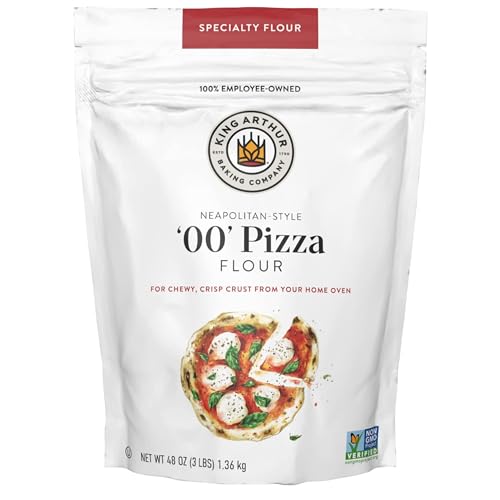
Finely milled 00 flour from King Arthur uses a blend of hard and soft 100% American-grown wheat to mimic authentic Italian texture. The extra-fine grind supports a thin, delicate dough with well-defined leopard spotting in high-temperature baking. It’s particularly effective for achieving a crisp crust with a slightly chewy bite when baked at 500°F or higher on a preheated surface, using moderate hydration and a short fermentation window.
Antimo Caputo Pizzeria 00 Flour Blue 11 Pound
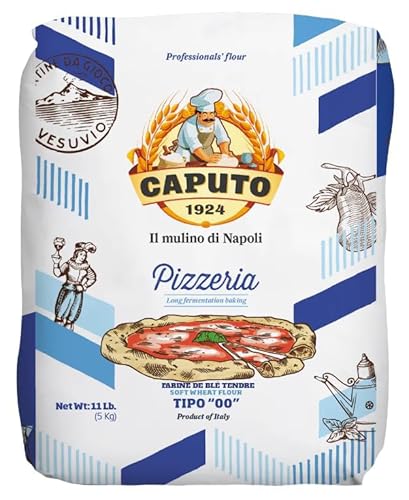
Caputo 00 flour is a staple for authentic Neapolitan pizza dough. The 00 grind yields an exceptionally smooth dough with elastic gluten that supports long fermentation and high-temperature baking. This flour is well-suited for achieving crisp, blistered crusts when combined with proper hydration and a hot oven, whether in a wood-fired or conventional home oven setup. It’s a trusted choice among pizzaioli for consistent results.
Antimo Caputo Chefs Flour 2.2 Lb (Pack of 2)

This Caputo Chef’s Flour is a professional option with a robust gluten structure supporting long fermentation. The two-pack offering provides ample dough for multiple pizzas, allowing more controlled fermentation and flavor development. For crispness, extend fermentation and bake at high heat after a proper dough rest, ensuring the crust dries slightly at the oven’s edge to create crunch without sacrificing chewiness.
Antimo Caputo Pizzeria Blue 00 Flour (11 lb)
Caputo Blue 00 flour is crafted for classic Neapolitan pizza dough with a light, elastic gluten network. The 00 grind produces a dough that stretches easily and bakes into a crust with crisp edges and a tender center. Chefs often pair this flour with high-temperature ovens and hydration around 60-65% to promote rapid moisture evaporation at the crust’s rim, yielding a crisp bite from the first slice.
King Arthur Flour Pizza Seasoning
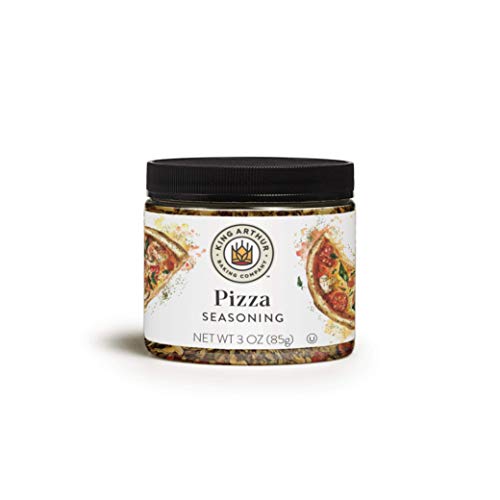
Seasoning blends can influence perceived crispness by enhancing aroma and reducing perceived heaviness. While not a flour, applying a light dusting of a savory mix around the crust before baking can encourage a brighter, sharper finish that contributes to the overall crisp experience in some crust styles. This product is useful for flavor enhancement rather than the structural crispness of the dough itself.
Mama Mary’s 7″ Thin & Crispy Ready to Bake Crusts

For those seeking convenience with a crispy finish, ready-to-bake crusts provide a dependable baseline. While not a flour, pairing store-bought crusts with a hot oven and careful topping choice can yield a crisp edge without the need for extensive dough handling. This option is included as a contrasting baseline for texture expectations when using flour-based doughs.
Antimo Caputo Chef’s Flour 2.2 Lb

Caputo Chef’s Flour is a versatile option with elastic gluten and a soft starch profile. Suitable for pizza doughs that benefit from longer fermentation, it supports a crisp exterior while maintaining a tender crumb. Home bakers can experiment with longer rise times and higher oven temperatures to push the crust toward a crisp finish while preserving chewiness in the center.
Buying Guide: Key Considerations For Crispier Pizza Crusts
- Flour type and grind: Ultra-fine 00 flours tend to yield smoother doughs with a delicate, crisp-outside texture when baked at high temperatures. Coarser blends can deliver more chew and cloudier edges, which may not suit every crispness goal.
- Hydration and dough feel: Higher hydration doughs can create lighter interiors but may reduce crust crispness if not baked on a preheated surface. Find the balance that matches your oven and dough handling style.
- Fermentation time: Longer fermentation can strengthen gluten and enhance flavor, but excessive rise may weaken the crust’s ability to stay crisp. Adjust based on flour type and temperature.
- Oven setup: A preheated pizza stone or steel and a very hot oven (ideally 500°F or more) promotes rapid moisture loss at the crust’s surface, increasing crispness.
- Gluten-free considerations: Gluten-free blends require careful hydration and sometimes xanthan gum to mimic elasticity. Expect a different texture profile from traditional wheat flours, with careful attention to bake temperature and time.
- Versatility vs. specialization: 00 flours excel for Neapolitan-style crusts, while gluten-free mixes target crisp GF textures. Consider your preferred style and dietary needs when selecting a flour.
- Flavor and aroma: Some blends include added minerals or enzymatic blends that influence aroma and crust browning. Seasonings can enhance perceived crispness and aroma without changing the structural properties of the dough.