Best Fig Tree for Containers: Top Picks for Patio Growth
Growing figs in containers offers fresh fruit even in small spaces. The right variety adapts to pots, shares sun, and rewards you with delicious harvests. Below are five top picks suited for container life, along with practical buying considerations to help you choose the best fit for your patio, balcony, or small garden.
| Product | Key Benefit | Container Suitability |
|---|---|---|
| Perfect Plants Fignomenal Fig Tree 1 Gallon | Compact dwarf variety with sweet fruit | Yes, ideal for pots |
| Celeste Fig Tree (3 Gallon) | Self-pollinating, reliable fruit production | Yes, thrives in containers |
| Black Mission Fig Tree (3 Gallon) | Long-standing heirloom flavor, vigorous growth | Yes, suitable for pots |
| Chicago Hardy Fig Plant (4 Pack) | Cold-hardy and high-yielding | Yes, multi-plant option |
| 4-Pack Fruiting Starter Plugs (Black Mission) | Starter plants for quick setup | Yes, scalable |
Perfect Plants Fignomenal Fig Tree 1 Gallon

The Fignomenal Fig Tree is a compact, adaptable choice for patios, gardens, or container setups. It brings versatile charm to any landscape and is well-suited for small spaces. Its figs offer culinary variety, from fresh snacking to preserves, enhancing a range of dishes with bright, fruity flavor. This dwarf variety typically reaches a mature height of 3-5 feet, making it a strong candidate for container gardening in grow zones 7-9. Its manageable size supports easier pruning, potting, and relocation as needed for seasonal sun exposure.
Features reflect a focus on versatility and flavor: a compact profile for tight spaces, edible fruit for table use, and suitability for sun-drenched patios. Consumers appreciate the plant’s adaptability in various container setups and landscapes, balancing aesthetic appeal with practical fruit production. For best results, ensure a well-draining potting mix and a sunny location to support robust growth and fruitful harvests.
Fig Tree Fertilizer For Fig Trees (TPS NUTRIENTS) 8 oz

Healthy fig trees require balanced nutrition, and this liquid fertilizer from TPS Plant Foods is formulated to support all fig varieties. The product emphasizes strong root systems, lush foliage, and enhanced fruit production, with the convenience of liquid application for faster uptake. While designed for figs, it’s compatible with related ficus varieties, making it a versatile option for container or landscape fig trees. Regular feeding during the growing season can help sustain vigor in pots, where soil nutrients can deplete more quickly than in-ground planting.
Celeste Fig Tree
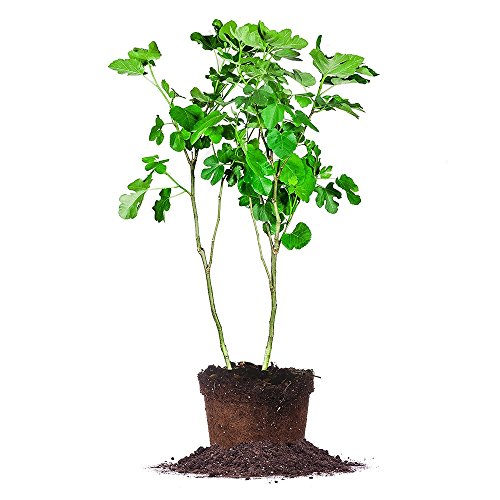
The Celeste Fig Tree is a popular, self-pollinating choice that delivers reliable fruit production year after year. This 3-gallon live plant is noted for leggy branches and bright, leafy green foliage, with a growth habit that spreads as wide as it grows tall. It thrives in full sun, making it an excellent option for container gardening on sunny patios or landscapes. Given its relatively compact footprint, Celeste is well-suited for container setups where space is at a premium. The planting guide included with delivery helps beginners establish a strong foundation for growth.
Costa Farms Fiddle Leaf Fig

Note: While marketed as a popular indoor fig, the Fiddle Leaf Fig (Ficus lyrata) is a different species from common fruiting figs. It remains a strong ornamental choice for container interiors with a striking silhouette and lush leaves. For container fruit production, consider varieties like Celeste, Black Mission, or Chicago Hardy in outdoor or balcony settings, depending on your climate. The Fiddle Leaf Fig provides contrast to edible figs with its bold architectural form and year-round greenery, ideal for indoor decor and office spaces.
Violette De Bordeaux Fig Trees Live Plants – Set Of 4
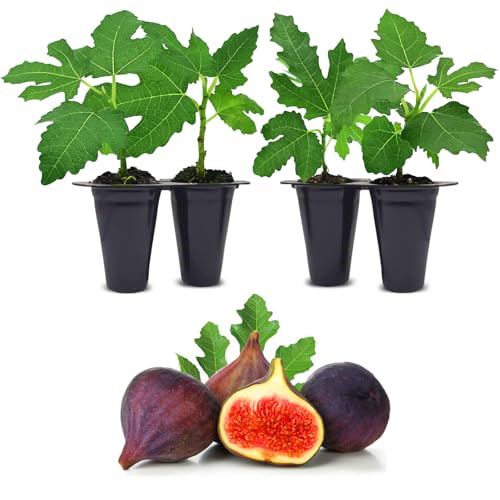
The Violette de Bordeaux set offers a compact, high-yielding fig variety with rich, sweet fruit. These live plants are well-suited for container or small-garden planting, with a growth habit that makes efficient use of limited space. The variety is prized for its gourmet flavor and ability to bear two harvests per year under favorable conditions. This makes it appealing for gardeners who want consistent fruit production in pots or planters. Ideal for patios, balconies, or small yards, this option emphasizes flavor and space efficiency.
Black Mission 3 Gallon

The Black Mission Fig Tree is a classic option for container growth, featuring self-pollination and easy-to-use Fig food. It produces fresh fruit annually and showcases long, leggy branches with bright green, hand-shaped leaves. Figs from this cultivar tend to set fruit both upward and outward, leaving space beneath the canopy for fruiting. It thrives in full sun and adapts well to potting containers or landscape beds. This versatility makes it a reliable choice for seasonal fig harvests in smaller spaces.
4-Pack Foxtown Farms Fruiting Starter Plugs (Black Mission Fig)

This 4-pack provides starter plugs for quick setup of Black Mission fig trees. Starter plants are advantageous for gardeners who want to accelerate fruit production or diversify their container plantings. These plugs are designed to establish sturdy root systems in container conditions, ready to transplant into larger pots as they mature. They suit spaces where you want multiple trees for a fuller look or staggered harvests, while keeping care requirements aligned with standard fig tree maintenance.
Buying Guide: Key Purchase Considerations And Comparisons
- Climate and hardiness: Fig trees grown in containers benefit from climates that meet their sun and heat needs. Hardy varieties like Chicago Hardy tolerate cooler temperatures, while others perform best in warmer zones. Confirm your local frost dates and whether your container setup can be moved indoors during cold snaps.
- Container size and soil: Larger containers provide more stability and longer intervals between watering, but require more space and weight. Use well-draining potting mix with organic matter to support robust root systems. For dwarf varieties, a 5-12 gallon pot often suffices; larger varieties may need bigger pots as they mature.
- Sun exposure: Most edible fig trees require full sun for best fruit production. Position containers in a location that receives at least 6-8 hours of direct sunlight daily. If your space lacks sun, consider indoor lighting options to support growth.
- Watering and drainage: Figs prefer evenly moist soil, not soggy conditions. Ensure pots have drainage holes and consider a drip irrigation schedule or a moisture meter to prevent overwatering in containers.
- Nutrient management: Regular feeding during the growing season supports fruiting. Choose a fertilizer formulated for fruiting trees or use a balanced liquid feed as needed, following package directions to avoid fertilizer burn.
- Pollination considerations: Some fig varieties are self-pollinating, while others may benefit from cross-pollination. In containers, self-pollinating types are typically more practical for home gardens, especially when plant numbers are limited.
- Fruit quality and yield: Varieties vary in taste, sweetness, and harvest timing. If you prefer two harvests per year, look for varieties noted for extended or multiple fruiting windows, such as dual-harvest candidates.
- Maintenance: Pruning helps manage size and fruit production, especially in restricted spaces. Learn basic pruning practices for your chosen cultivar to maintain shape and encourage fruiting wood.
- Maintenance ease: For beginners, starting with self-pollinating and compact varieties can simplify care. For seasoned gardeners, combining a trio of varieties can extend harvest seasons and flavor profiles.
In choosing a fig tree for container cultivation, match the variety to your climate, space, and sun access. Favor compact or dwarf types for small spaces, and consider a starter plant or plug set if you want quick establishment. Pair your choice with appropriate soil, containers, and watering practices to maximize fruit production and plant health over time.