Best Companion Plants for Carrots to Boost Yield and Health
Carrots thrive when planted with the right companions that deter pests, improve soil health, and encourage robust growth. This guide highlights five Amazon-found items that align with companion planting principles for carrots, from classic planting books to practical seed choices. Use these resources to design a thriving, pest-aware carrot patch and maximize your harvest.
Summary of Selected Products:
- Carrots Love Tomatoes: Secrets of Companion Planting for Successful Gardening — Storey Publishing
- Roses Love Garlic: Companion Planting and Other Secrets of Flowers — Storey Publishing
- Daucus carota | Queen Anne’s Lace Starter Plant Plug — Generic
- Sow Right Seeds – Imperator 58 Carrot Seed — Sow Right Seeds
- Sow Right Seeds – Kuroda Carrot Seeds — Sow Right Seeds
Carrots Love Tomatoes: A Classic Companion Planting Guide

- Author/Brand: Storey Publishing
- Key Features: Arranging your garden with this in mind can double your bounty!, Informative, illustrated and practical guide, Riotte, 6 x 9″, 211 pages
This foundational companion-planting book explains how carrots benefit from nearby plants and how certain neighbors can reduce pest pressure and soil competition. It is a practical reference for planning carrot beds with strategic plant pairings, aligning with long-standing gardening wisdom about plant relationships. The resource is suitable for both beginners and experienced gardeners seeking a structured approach to maximizing yield through companions.
Roses Love Garlic: Companion Planting And Other Secrets

- Author/Brand: Storey Publishing
- Key Features: Used Book in Good Condition
While focused on flowers like roses, this title expands companion-planting concepts, highlighting how certain floral companions can influence the health of nearby vegetables, including carrots. It offers broader insights into garden ecology, pollinator support, and pest deterrence through thoughtful planting. It can help gardeners sense how flowering companions might interplay with carrot crops in mixed borders or kitchen gardens.
Queen Anne’s Lace Starter Plant Plug

- Brand: Generic
- Key Features: NATIVE WILDFLOWER: Queen Anne’s Lace (Daucus carota) is a beautiful biennial plant featuring delicate, lacy white flower clusters perfect for gardens and natural landscapes
Queen Anne’s Lace, a wild carrot relative, can be used as a pollinator-friendly companion in garden settings. Its presence may attract beneficial insects and help diversify a carrot bed’s ecosystem. While not a direct carrot companion in all small-scale home plots, integrating a native wildflower element can contribute to soil biodiversity, attract pollinators, and support a balanced garden microclimate when used thoughtfully around carrot rows or borders.
Imperator 58 Carrot Seed — Long Varieties For Home Gardens
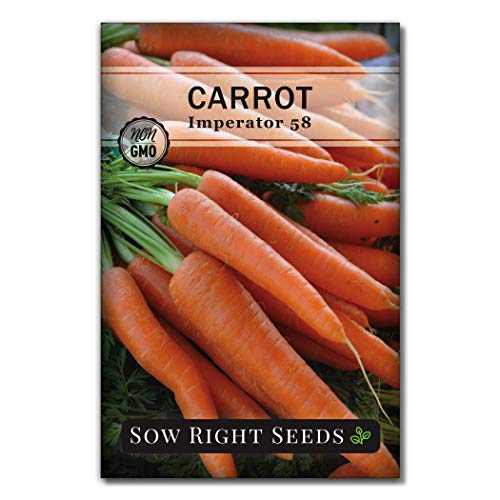
- Brand: Sow Right Seeds
- Key Features: Beautiful – Full color packet of Imperator 58 Carrot seeds, Long, tapered carrot with sweet flavor, Germination details, 70-80 days to maturity
These long, uniform Imperator carrots are a classic choice for home gardens. The seed packet includes growing guidance and timing windows, aiding gardeners in scheduling plantings to align with crop rotation and companion strategies. Pair Imperator carrots with leafy greens or allium-family companions to potentially deter carrot fly and improve soil nutrients through diversified crop rotations.
Kuroda Carrot Seeds – Heat-Tolerant Carrot Variety

- Brand: Sow Right Seeds
- Key Features: Deep orange, heat-tolerant, compact shape, 8-10” tall roots, 50-65°F germination range
Kuroda carrots are known for tolerance to heat and compact root shape, making them suitable for containers and garden beds that experience warmer afternoon sun. When considering companions, pairing them with shallow-rooted herbs and flowering plants can help create a diverse soil environment and attract beneficial insects without crowding the carrot roots. The packet provides clear planting guidelines and timelines for success.
Buying Guide
When selecting companion plants and resources for carrots, consider these purchase considerations to maximize value and garden performance:
- Purpose: Decide whether you want pest deterrence, soil improvement, or pollinator support. Books offer overarching strategy, while seeds and plants provide immediate, practical options.
- Bed layout: Plan a layout that accommodates carrot rows with nearby flowers and herbs that deter pests without competing for root space.
- Soil compatibility: Choose varieties tolerant of your soil type and climate; warm-season crops might require shade or season extension planning.
- Pollinator strategy: Include flowering companions such as Queen Anne’s Lace or other native blooms to attract beneficial insects, but ensure they don’t outcompete carrots for nutrients.
- Germination and maturity: For seeds, check germination times and days to maturity to coordinate with other crops in your garden rotation.
- Maintenance: Some companions are low-maintenance, while others require pruning or careful spacing; evaluate your weekly garden time.
In practice, combining classic companion-planting wisdom with diverse planting can improve carrot yields and resilience. Use the books as guidance for design principles, and apply seed varieties that suit your climate and garden size. A balanced approach — mixing flowering plants, herbs, and cautious spacing — helps create a healthier garden ecosystem while keeping carrot health at the forefront.