Blueberries thrive when planted with strategic companions that enhance pollination, soil conditions, and overall garden health. This guide highlights five top blueberry-friendly options that can help maximize yields while complementing your berry patch. Each section includes a quick link to a trusted Amazon listing, along with key features to consider before planting.
| Product | Brand | Why It Works As A Companion |
|---|---|---|
| Blueberry Plants Collection (4 Pack) | Fam Plants | Mixed cultivars boost cross-pollination and berry size. |
| Blue Ray Bare Root Blueberry Plant | Hand Picked Nursery | Mature, larger berries and higher initial yields. |
| Pakistan Mulberry Live Tree | Wellspring Gardens | Provides shade and biodiversity; distant from blueberries due to fruit drop risk. |
| Perfect Plants 3 Pack Rabbiteye Blueberry Bushes | PERFECT PLANTS | Cross-pollination across varieties; heat tolerance. |
| Chandler Blueberry Plant | Hand Picked Nursery | Extremely large berries; long harvesting window. |
Note: When planning companions, consider soil pH, sun exposure, and spacing. Blueberries require acidic soil and consistent moisture; many companions thrive in similar conditions, helping create a balanced, low-maintenance garden ecosystem.
Blueberry Plants Collection (4 Pack) From Our Optimal Picks
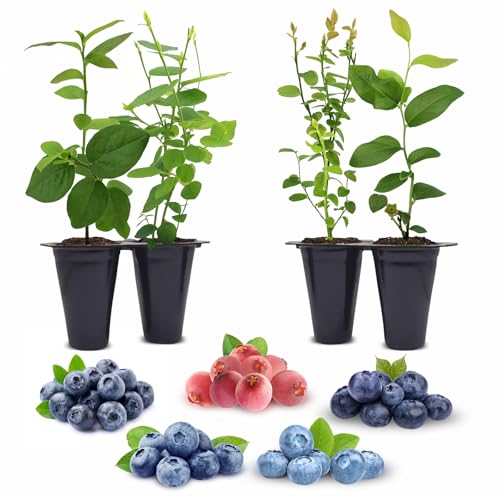
This assortment provides four live blueberry starter plants in assorted varieties, such as Emerald, Jewel, Legacy, O’Neal, Biloxi, Chandler, and more. Mixing varieties encourages cross-pollination, which can improve berry size and overall yield. Blueberries prefer full sun and acidic, well-drained soil with moisture consistency. Mulching helps protect shallow roots and maintain soil conditions. A diverse plant set helps attract pollinators and supports a resilient garden ecosystem.</p)
Blue Ray Bare Root Blueberry Plant, 3-Year Old Plant

The Blue Ray variety promises large, sweet, firm berries with strong yields. Being a three-year-old plant, it is mature enough to establish quickly and produce fruit sooner than younger stock. It is described as a premium mid-season variety, making it a strong anchor for a blueberry patch. When paired with other ripe and mid-season varieties, you can extend berry production across the growing season.
Pakistan Mulberry Live Tree

The Pakistan Mulberry is a larger home landscape tree with a mature height potential of up to 40 feet. It tolerates some shade and drought once established, and it prefers full sun with well-drained soil. While not a direct blueberry companion in the sense of pollination, it can contribute biodiversity and shade in broader edible landscapes. Space is a critical consideration due to its eventual size, so plan placement carefully if used near a blueberry bed.
Perfect Plants 3 Pack Rabbiteye Blueberry Bushes

These three rabbiteye blueberries are chosen to cross-pollinate and extend fruiting across the season. They’re described as heat- and drought-tolerant, suitable for USDA zones 7-9. Planting multiple varieties can lead to a robust harvest, as rabbiteye blueberries often excel in warmer climates with longer growing seasons. Their tolerance to heat makes them a valuable companion in sunny, Mediterranean-style garden designs adjacent to your main blueberry patch.
Chandler Blueberry Plant

Chandler is known for producing some of the largest blueberries with a long picking season. It thrives across a wide range of climates (USDA zones 4-8). When grown near other varieties, Chandler can contribute to a diverse harvest window and a broad flavor profile. Ensure sufficient spacing and soil acidity to optimize fruit quality and berry size across the patch.
Buying Guide: Key Purchase Considerations
- Soil and pH: Blueberries require acidic soil (pH ~4.0–5.2). Pairing with companions that tolerate or help maintain acidity is beneficial; avoid plants that raise soil pH near the bed.
- Pollination strategy: Mixing cultivars promotes cross-pollination, which can increase yield and berry size. Include both early- and mid-season varieties when possible.
- Climate and hardiness: Choose plants suited to your hardiness zone. Rabbiteye varieties perform well in warmer regions, while high-chill cultivars suit cooler areas.
- Watering and mulch: Consistent moisture is crucial. Mulch with pine needles or wood chips to maintain acidity and moisture and to protect shallow roots.
- Spacing and growth habit: Consider the mature size of each plant. The Pakistan Mulberry, for example, requires significant space, while rabbiteye bushes are more compact. Plan for airflow to reduce disease risk.
- Ornamental value: Some companions, like mulberry trees, offer shade and visual interest, which can be appealing in edible landscapes. Balance aesthetics with harvest goals and root competition concerns.
- Container vs. in-ground: If space is limited, consider container-growing options for blueberries. Ensure containers are deep enough for root growth and acidity-friendly soil.
- Pest and disease considerations: Monitor for common blueberry pests and diseases. Select varieties with known resistance where possible, and rotate plantings to minimize risk.
In summary, selecting a mix of blueberry varieties alongside a carefully chosen companion plant strategy can enhance pollination, extend harvest windows, and support overall garden resilience. Use the buying guide as a checklist to tailor a plan for your climate, soil, and space.