Best Companion Plants for Asparagus: Top Choices for a Thriving Garden
Companion planting can help asparagus thrive by improving soil, reducing pests, and supporting healthy yields. This guide highlights ideal asparagus-friendly companions, plus five well-matched asparagus plant options to consider for a robust, long-lasting bed. Use these selections to pair with your asparagus crowns, protect your bed, and simplify garden maintenance while maximizing harvest potential.
style=”display:none;”>Summary Table of Selected Products
– Product: Hand Picked Nursery Mary Washington, Heirloom, Asparagus Bare Root Plants -2yr-Crowns – Count – 10 – Free Plant Boost Included!
Brand: Hand Picked Nursery
Type: Bare root asparagus crowns
Key benefit: Heirloom Mary Washington variety; bulk deal with bonus plants
– Product: Asparagus Garden Variety Pack, 30 Plants (10 of Each) – Mary Washington, Purple Passion, Jersey Knight
Brand: Hand Picked Nursery
Type: Bare root crowns (mixed varieties)
Key benefit: Multiple favored varieties for extended harvest
– Product: Jersey Giant Live Asparagus Bare Root Plants – 2yr Crowns – Grow Giant Asparagus (20 Plants)
Brand: CZ Grain
Type: Bare root crowns
Key benefit: Large-yield variety for persistent production
– Product: 10 ‘Millennium’ Asparagus Plants – Bare Root Asparagus Crowns – Cold Hardy, Good Variety for Heavy Soils -2yr-Crowns
Brand: Hand Picked Nursery
Type: Bare root crowns
Key benefit: Cold hardy, disease resistant, high yield
– Product: Mary Washington Live Asparagus 2yr. Crowns to Grow – 10 Count, Bare Root Asparagus
Brand: CZ Grain
Type: Bare root crowns
Key benefit: Heirloom, large yield, chef-preferred flavor
Hand Picked Nursery Mary Washington Asparagus Bare Root Plants
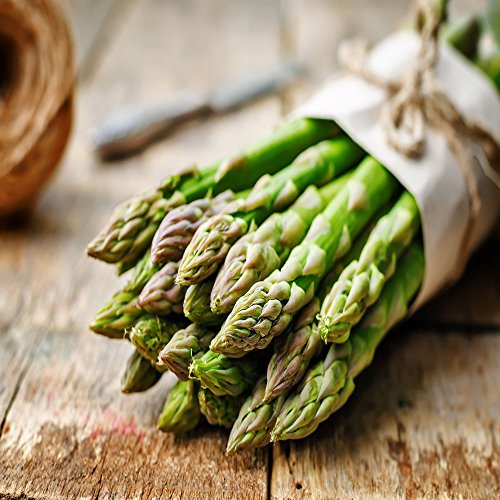
Originating from a veteran, family-owned business, these Mary Washington asparagus crowns bring an heirloom variety with robust yield potential. The two-year crowns aim to establish quickly in well-drained soil made richer with added organic matter. When planted properly, they can become a centerpiece in perennial beds while delivering reliable harvests for years. Consider pairing them with leafy, sun-loving companions that tolerate partial shade during early stages of growth to support a balanced garden ecosystem.
Asparagus Garden Variety Pack

This 30-plant mix includes three popular asparagus varieties—Mary Washington, Purple Passion, and Jersey Knight—providing diversity in flavor and stalk characteristics. A variety pack helps ensure resilience against disease and weather fluctuations, while widening the harvesting window. For best results, space crowns adequately and maintain consistent soil moisture. Companion choices in this setup can include sun-loving herbs and perennial flowers that deter pests and attract beneficial insects, creating a balanced bed.
Jersey Giant Live Asparagus Bare Root Plants
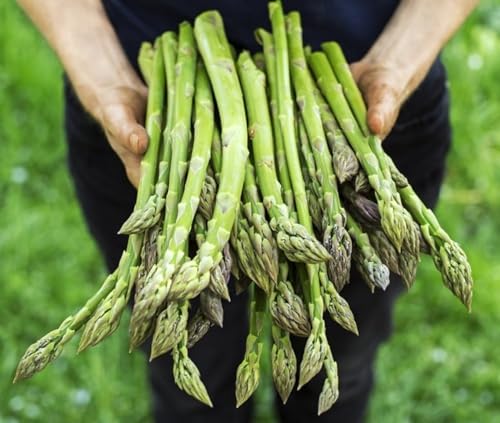
The Jersey Giant is renowned for large yields and a strong, long-lived presence in a bed. As a two-year crown variety, it offers a reliable harvest season and a robust growth habit. In companion planning, pairing heavy-yielding asparagus with low-growing groundcovers or flowering perennials can help suppress weeds and provide visual appeal. Select species that tolerate similar soil and sun conditions to keep the bed low-maintenance and productive over the years.
Millennium Asparagus Plants

Millennium is a top-performer for commercial and home growers, valued for high yields, disease resistance, and adaptability to various soils, including heavy ones. Its resilience makes it an excellent choice for mixed borders where you want a dependable harvest. When planning companions, consider robust herbs and ornamentals that tolerate the same site conditions, ensuring a cohesive garden bed that supports pollinators and deters pests without sacrificing productivity.
Mary Washington Live Asparagus 2yr. Crowns
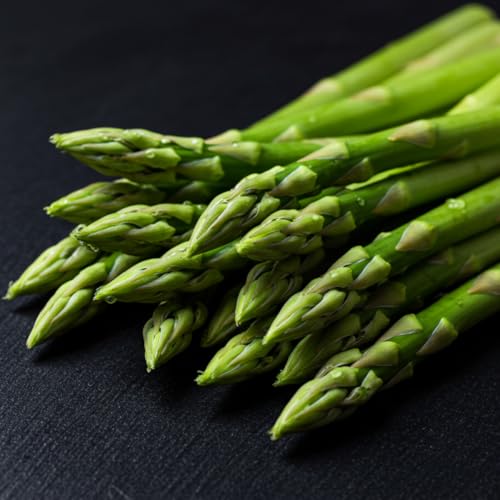
Mary Washington crowns are celebrated for size and yield. This planting guidance emphasizes ensuring well-draining soil and adding organic matter along with a sand component to prevent rot and promote winter hardiness. The two-year crowns commonly establish quickly and produce sturdy stalks for years. For companion planting, pair with herbaceous perennials that tolerate similar soil moisture and contribute to soil health, helping the bed endure seasonal stress and extend harvest periods.
Mary Washington 25 Live Asparagus Bare Root Plants
This bulk option from Hand Picked Nursery expands the same Mary Washington line, offering a substantial planting density to establish a productive bed. The guidance emphasizes a sand-rich soil mix and careful planting depth to prevent rot and ensure emergence within 10 days. In companion planning, include low-growing, pest-deterring plants and sun-tolerant groundcovers to deter weeds and promote a thriving, low-maintenance asparagus bed over multiple seasons.
Sow Right Seeds – Mary Washington Asparagus Seed

For gardeners who prefer starting from seed, this Mary Washington seed packet provides clear planting instructions, including recommended depth and spacing. Asparagus seedlings take longer to mature than crowns, but seeds can be a cost-effective way to establish a diverse bed along with other companion plants. Seedlings benefit from sun, well-drained soil, and consistent moisture, while companion choices should emphasize soil improvement and pest deterrence to support a healthy perennial harvest.
Buying Guide: Key Purchase Considerations
- Site and soil requirements: Most asparagus varieties need full sun and well-drained, nutrient-rich soil. If your soil is heavy or compact, incorporate organic matter and a portion of coarse sand to improve drainage and root establishment.
- Plant type and year: Bare root crowns establish differently from seeds or potted plants. Crowns often produce faster harvests, while seeds require patience but can provide long-term cost savings.
- Cold hardiness: Consider varieties labeled for cold hardiness if you live in regions with harsher winters. Hardy cultivars help protect perennial beds from winter damage and spring delays.
- Disease resistance: Some varieties emphasize resistance to Fusarium and other common asparagus diseases. This can reduce maintenance needs and support a healthier bed over time.
- Companion planting considerations: Choose companions that tolerate the same sun and soil conditions. Good companions may deter pests, improve soil structure, and attract pollinators without competing for nutrients.
- Planting density and spacing: Crowns typically require spacing that prevents overcrowding and ensures air circulation. Proper spacing reduces disease risk and supports robust growth.
- Maintenance needs: Mulching, consistent irrigation, and occasional soil amendments support long-term yields. Plan for mulching materials that suppress weeds and retain soil moisture.
Companion Planting Perspectives
- Herbs and aromatic plants: Planting herbs like chives, dill, or oregano nearby can help deter pests and may compliment the aesthetic of your bed. Ensure they receive enough sunlight and do not shade asparagus crowns.
- Flowering perennials: Consider yarrow, echinacea, or calendula to attract beneficial insects while adding color to the bed. These can co-exist with asparagus crowns when placed at the bed edges.
- Groundcovers and low-growing perennials: Using low-growing plants as groundcovers can suppress weeds and help with moisture retention, supporting frequent irrigation during establishment.
- Soil health optimization: Incorporate organic matter and sand as needed to improve drainage and reduce root rot risks, especially in heavy soils. Healthy soil supports deep root systems and stronger stalks.
- Crop rotation and bed planning: Rotate asparagus with non-related crops to minimize pest buildup. Maintain a bed layout that allows easy access for harvest and maintenance.