Discover effective companion planting options that pair well with peppers. This guide highlights seeds and starter plants that support pepper growth, deter pests, and enhance yields. Each option is selected for relevance to peppers and practical home-garden use.
| Product | Brand | Type | Notes |
|---|---|---|---|
| LUSH&DEW Companion Plants Heirloom Seed Bank | LUSH&DEW | Companion planting seeds | 32 varieties for peppers and more; high germination |
| Datil Chili Pepper Grow Kit | Magic Plant | Grow kit with heirloom seeds | Indoors or outdoors; beginner-friendly heat |
| Bonnie Plants Red Ghost Pepper | Bonnie Plants | Live pepper plants | Extreme heat option for peppers’ companions in garden |
| Bonnie Plants Red Bell Pepper Live Plants | Bonnie Plants | Live pepper plants | Sweet bell pepper with sturdy growth |
| Black Pepper Plants (Piper nigrum) | YOKEBOM | Live pepper plants | Trellis-worthy pepper variety for containers or beds |
LUSH&DEW Companion Plants Heirloom Seed Bank
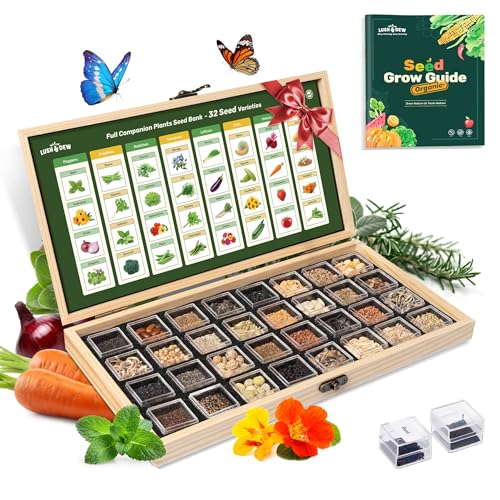
The LUSH&DEW seed bank offers 32 easy-to-grow heirloom varieties designed for companion planting. Included seeds cover peppers, potatoes, radishes, tomatoes, lettuce, corn, onions, and pumpkins, enabling mutual benefits in mixed beds. The kit emphasizes high germination rates and premium packaging to preserve viability for multiple seasons. This collection supports strategic planting with pepper crops, encouraging beneficial alliances such as onions nearby to deter pests and attract pollinators. Suitable for greenhouse, raised beds, and hydroponic setups, it provides flexibility for diverse urban and suburban gardens.
Datil Chili Pepper Grow Kit

The Datil Chili Pepper Grow Kit is a beginner-friendly, all-in-one kit with pre-packed heirloom seeds. It supports indoor or outdoor growth, delivering a warm, Southern-inspired chili with 100,000 to 300,000 SHUs. The kit includes simple, step-by-step instructions, making it suitable for new gardeners who want peppers, plus potential companion plant pairings to maximize space and health. Its compact design suits small spaces, while the heat variety offers a unique addition to pepper gardens and culinary experimentation.
Bonnie Plants Red Ghost Pepper

Red Ghost Pepper plants offer a dramatic, high-heat option for peppers and their companions. These starter plants can grow to significant height in favorable seasons, demanding support and spacing. Planting them alongside non-competitive companions such as leafy greens or taller sun-loving herbs can help manage shade and airflow. They are a solid choice for gardeners seeking bold flavor profiles while exploring companion strategies that promote pest deterrence and pollinator activity in mixed beds.
Bonnie Plants Red Bell Pepper Live Plants
Red bell peppers bring sweet, thick-walled fruit ideal for stuffing and fresh markets. When planted with compatible companions such as herbs (basil, oregano) and legumes (peas, beans), bell peppers can benefit from improved soil health and pest management. These live plants offer robust growth for gardeners looking to establish a reliable pepper bed while testing companion strategies that optimize space and resilience across the growing season.
Black Pepper Plants (Piper Nigrum)

Black pepper plants (Piper nigrum) are climbers that thrive with support and well-drained soil. While not a traditional ‘companion plant’ for peppers in every garden, they can provide vertical space utilization in larger beds or containers. For pepper gardeners seeking to diversify crops, consider integrating pepper vines with trellised companions and reflective mulch to manage light and humidity. Adequate spacing and humidity control help optimize growth for this heat-tolerant, long-season perennial in suitable climates.
Buying Guide: Companion Planting For Peppers
- Understand plant relationships: Some herbs and flowers deter pests, while others attract pollinators or improve soil health. Choose companions that fit your climate and space.
- Spacing and airflow: Pepper plants need good air circulation to reduce disease. Plan spacing to avoid shading and ensure easy access for maintenance.
- Soil and moisture management: Most companion plants thrive with well-drained soil and consistent watering. Mulching helps maintain moisture and suppress weeds.
- Sun exposure: Peppers generally require full sun. Place sun-loving companions nearby but avoid overcrowding the bed to prevent competition for light.
- Vertical options: Trellises and cages free up ground space and support sprawling pepper varieties, especially hot peppers or large bell peppers.
- Seasonality and succession: Use seeds with staggered maturities to sustain garden activity and harvest windows alongside pepper crops.
- Germination and care: For seed banks, select seeds with high germination rates and store them in cool, dry conditions to preserve viability between seasons.
- Local adaptability: Consider regional climate, pests, and soil health. Adapt companion strategies to your garden’s specific challenges.
- Experiment and document: Track which combinations perform best in your space to refine future plantings.