Growing sprouts at home is a quick, nutritious way to add plant-based protein, fiber, and vitamins to meals. This guide reviews five top mung bean sprouting seeds that are easy to grow, reliable, and sourced from reputable brands. Each product highlights germination rates, organic or non-GMO status, and storage quality to help you choose the best option for your kitchen garden or indoor sprouting setup.
| Product | Brand | Highlights |
|---|---|---|
| Nature Jims Sprouts Mung Bean Sprouting Seeds | Nature Jims Sprouts | Non-GMO; packed with fiber and vitamins; resealable bag |
| Yupik Organic Mung Beans | Yupik | USDA Certified Organic; high fiber; Kosher & gluten-free |
| Organic Mung Bean Sprout Seeds (16 oz) – Sereniseed | Sereniseed | Organic; USA-sourced; tested for pathogens |
| Seedboy Organic Non-GMO Mung Bean Seeds | Seedboy | USDA Organic; high germination; 8 oz provides multiple harvests |
| Nature Jims Sprouts 3 Bean Seed Mix | Nature Jims Sprouts | Three-bean mix; fast sprouting; supports variety in salads |
Choosing the right mung bean sprouting seeds involves considering organic certification, germination reliability, flavor profiles, and storage. The selections below emphasize ease of use, safety, and consistent yields so you can enjoy fresh sprouts in a week or less.
Nature Jims Sprouts Mung Bean Sprouting Seeds

Naturally nutrient-dense mung beans designed specifically for sprouting. The seeds are described as a natural source of nutrients, delivering fiber, vitamins, minerals, enzymes, and protein when sprouted. They are processed to optimize sprouting performance and come in a premium resealable bag to maintain freshness. Gardeners can expect a reliable germination rate with minimal effort, making them suitable for beginners and experienced sprouters alike.
Yupik Organic Mung Beans

These are a wholesome, dried legume suitable for sprouting, soups, and salads. They are non-GMO, sulfite-free, and offer a strong fiber profile with a good source of iron. The USDA certification and organic positioning appeal to cooks prioritizing clean ingredients. The beans are versatile for various recipes, including traditional sprouts and cooked dishes.
Organic Mung Bean Sprout Seeds (Sereniseed)
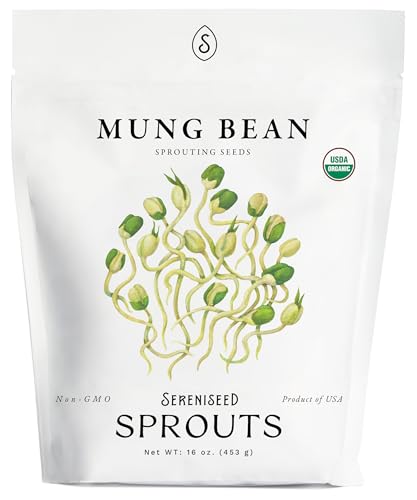
Sereniseed offers 16-ounce organic mung bean sprout seeds with a focus on sustainability and safety. The seeds are sourced in the USA, open-pollinated, and certified organic by Oregon Tilth, with pathogen testing to ensure clean sprouts. Expect nutrient-dense sprouts rich in fiber and antioxidants, supported by climate-controlled storage to maximize germination rates.
Seedboy Organic Non-GMO Mung Bean Seeds

Seedboy provides organic, non-GMO mung bean seeds designed for sprouting and microgreens. The 8-ounce bag yields multiple harvests, suitable for jars or sprouting trays. Emphasis is placed on rigorous testing for purity and high germination rates, delivering crisp, mild-flavored sprouts quickly for daily meals. This option suits cooks seeking dependable performance and quick results.
Nature Jims Sprouts 3 Bean Seed Mix

This three-bean mix blends green peas, lentils, and adzuki beans to create a nutrient-packed sprout lineup with diverse flavors and textures. The mix is certified organic and non-GMO, packaged in a resealable bag for freshness. Its fast sprouting time makes it a practical option for weekly harvests and varied salads or bowls.
Buying Guide: Key Considerations For Sprouting Beans
- Certification and purity: Organic, non-GMO, and pathogen-tested seeds reduce uncertainty about contaminants and ensure compatibility with clean eating goals.
- Germination performance: Look for seeds labeled specifically for sprouting and check for high germination rates to minimize waste and maximize yields.
- Flavor and texture: Different mung bean varieties offer subtle differences. A three-bean mix adds variety, while plain mung beans deliver classic sprouts with a mild taste.
- Storage and freshness: Resealable bags or airtight containers help maintain seed viability. Store in a cool, dry place to extend shelf life.
- Versatility and use cases: Sprout seeds can be grown for immediate salads, sandwiches, or used as microgreens. Consider whether you want single-variety sprouts or a mix for variety.
- Safety considerations: Ensure seeds are labeled for sprouting and sourced from reputable suppliers to reduce the risk of contamination.
- Yield expectations: Some seeds yield more sprouts per batch; consider your typical meal plan to choose appropriate bag sizes.
For best results, rinse sprouts thoroughly, drain well, and keep sprouts hydrated but not waterlogged during the germination period. Sterilize sprouting equipment and use clean jars or trays to minimize mold growth. Rotate seed types to diversify nutrients and flavors across meals.