Best Balsamic Vinegar for Salad: Top Picks for Fresh, Flavorful Greens
Choosing the right balsamic vinegar can elevate simple salads into restaurant-worthy dishes. This guide highlights five trusted balsamics that pair with greens, vegetables, and cheeses, offering depth, sweetness, and a balanced acidity. Each product is selected for accessibility in the American market and versatility across dressings, glazes, and finishing touches.
| Product | Brand | Size | Notes |
|---|---|---|---|
| Colavita Balsamic Vinegar of Modena | COLAVITA | 17 oz | Classic Modena balsamic with versatile uses |
| Giusti Italian Balsamic Vinegar of Modena IGP | Giusti | 8.45 fl oz | Premium, aged, complex profile |
| Pompeian Gourmet Balsamic Vinegar | Pompeian | 16 oz | Sweet and tangy, farmer-crafted |
| Colavita Balsamic Vinegar – Classic White | COLAVITA | 17 oz | Light, versatile for white dressings |
| Colavita Aged Balsamic Vinegar of Modena IGP | COLAVITA | 8.5 oz | Three-year aged, deep and rich |
When selecting balsamic for salad, look for a balance of sweetness and acidity, a rich color, and a smooth texture. Age and processing influence flavor, with aged varieties providing depth ideal for finishing. The following five products are notable options available to American consumers and widely used for dressings, drizzling, and topping salads, cheeses, or grilled vegetables.
Colavita Balsamic Vinegar of Modena

Colavita’s Balsamic Vinegar of Modena is a staple for salads needing dependable sweetness with a modest acidity (6%). Its Modena origin signals authentic grape-based production, and its versatile profile supports deglazing meats or bright dressings. Ideal for vinaigrettes that pair with arugula and goat cheese, it also works well as a glaze for roasted vegetables. For everyday use, it’s a reliable, well-rounded option that blends with olive oil without overpowering greens.
Giusti Italian Balsamic Vinegar Of Modena IGP

This Giusti Gran Deposito balsamic is crafted from cooked grape must and wine vinegar, aged in a wood-cask system to develop complex flavors. Expect notes of plum jam, red fruit, honey, and vanilla—rich enough to finish a salad with soft cheese or to elevate a caprese plate. The product’s traditional barrel aging yields a glossy, velvety texture and a deep brown color, making it a premium finishing touch for fresh greens and fruits alike.
Pompeian Gourmet Balsamic Vinegar
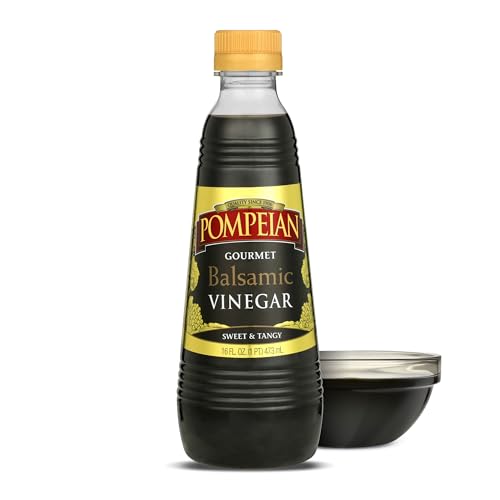
Pompeian Balsamic Vinegar offers a balanced sweet-tart profile suitable for bright salad dressings and marinades. Made by The Olive Oil People, it pairs well with Pompeian olive oils and can anchor a glaze for grilled vegetables. Its 100% farmer-crafted heritage reflects a traditional approach to balsamic production, delivering consistent flavor that works with mixed greens, tomatoes, and feta for a Mediterranean-inspired salad.
Colavita Balsamic Vinegar – Classic White

The Classic White Balsamic Vinegar from Colavita provides a lighter alternative for salads that feature white meats, vegetables, and delicate cheeses. Its non-GMO profile and lighter color make it ideal for dressings where you want tang without darkening the greens. It pairs well with lemon, herbs, and olive oil for a crisp, clean finish on mixed greens or pasta salads with seafood.
Colavita Aged Balsamic Vinegar Of Modena IGP
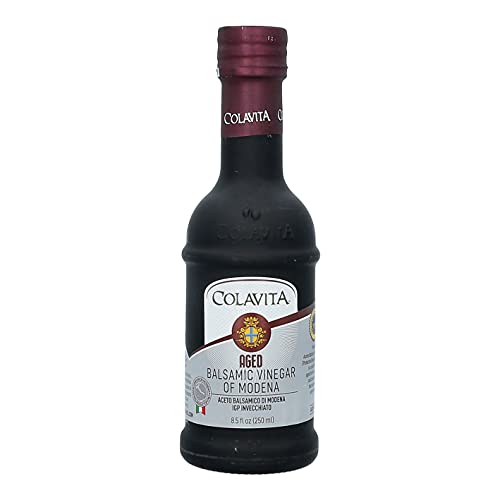
Aged for three years in oak, cherry, and walnut barrels, this Colavita vinegar delivers a deep, rich flavor with a high cooked grape must content (55%). The result is a velvety sweetness balanced by acidity, making it excellent as a finishing touch on roasted vegetables, strawberries, or a simple salad of arugula and parmesan. Its Modena certification assures a traditional method and a robust, nuanced character that stands up to hearty ingredients.
Due Vittorie Oro Gold Balsamic Vinegar

Oro Gold is a best-selling Italian balsamic with a smooth flavor profile and a natural acidity near 6%. Described as extra dense, it provides a luxurious drizzle for salads featuring soft cheeses, strawberries, or roasted vegetables. This PGI-certified balsamic emphasizes authenticity and a refined balance of sweetness and tang, making it suitable for finishing dishes and adding a gourmet touch to everyday meals.
Buying Guide: Key Purchase Considerations And Comparisons
- Origin and certification: Look for Modena or IGP/PGI certifications to ensure authenticity and regional production standards.
- Age and texture: Aged balsamics (years in wood casks) develop more complex flavors, a thicker texture, and deeper color; use younger varieties for dressings and lighter applications.
- Grape must content: Higher percentages of cooked grape must generally yield richer sweetness and body. This is often indicated in product descriptions.
- Acidity level: A gentle acidity (around 5–6%) balances sweet notes; higher acidity can be sharper and more tart, which may suit certain salads or marinades.
- Pairing suggestions: White balsamics are lighter and suitable for white meats and vegetables; aged dark balsamics work well with cheese, berries, and leafy greens.
- Usage versatility: Consider whether you want a bottle for everyday dressings, finishing sauces, or gourmet finishing touches.
- Price and value: Compare cost per ounce, especially among aged versus non-aged varieties, to determine the best value for your kitchen needs.
- Storage and shelf life: Store in a cool, dark place; proper sealing helps maintain flavor and aroma over time.
- Flavor profile across brands: Each producer brings a distinct aroma and sweetness; taste a few to identify your preferred balance of fruit notes and vanilla or wood undertones.