Best 2% Milk Choices for Everyday Nutrition
Explore top 2% milk options that balance flavor, nutrition, and sourcing. This guide highlights select products from trusted brands, focusing on fat content, sourcing practices, and digestibility considerations. Each product is evaluated for nutrient content, dairy origin, and potential consumer benefits.
| Product | Brand | Size | Notes |
|---|---|---|---|
| Organic 2% Milk (64 oz) | Organic Valley | 64 oz | Organic, small family farms |
| 2% Reduced Fat Milk (1 Gallon) | Amazon Grocery | 128 Fl Oz | Grade A, homogenized, pasteurized |
| a2 Milk 2% Reduced Fat | a2 Milk | 32 oz | Only A2 protein, potential digestion benefit |
| 365 Organic 2% Milk (128 oz) | 365 by Whole Foods Market | 128 oz | Organic, premium ingredients |
| Grassmilk 2% Reduced Fat (64 oz) | Organic Valley | 64 oz | Grass-fed, omega-3s |
Organic Valley Organic 2% Milk — 64 Oz

Organic Valley’s Organic 2% Milk comes from small family farms where cows graze on organic pastures. Each serving delivers essential nutrients and protein, with a half-gallon format that suits family meals and beverages. The product emphasizes organic farming practices and cow welfare.
Amazon Grocery 2% Reduced Fat Milk — 1 Gallon

This 2% Reduced Fat Milk offers a convenient gallon size with Grade A quality. It is homogenized and pasteurized, designed for everyday use, baking, and cooking. The product notes that cows are not treated with rBST, appealing to those seeking dairy with simple production standards.
a2 Milk 2% Reduced Fat

The a2 Milk difference centers on cows producing only the A2 protein, which some consumers find easier to digest. The brand emphasizes animal welfare with rBST-free farming practices. Nutritionally, it remains a solid source of calcium, potassium, and vitamins A & D while supporting satiety from its protein content.
365 by Whole Foods Organic 2% Milk — 128 oz

365 by Whole Foods Market offers an organic 2% milk with a large 128-ounce size. The product is described as providing body-friendly calcium and vitamin D, with overall emphasis on natural ingredients and accessibility for regular grocery shoppers who want straightforward, organic options.
Organic Valley Grassmilk 2% Reduced Fat — 64 oz
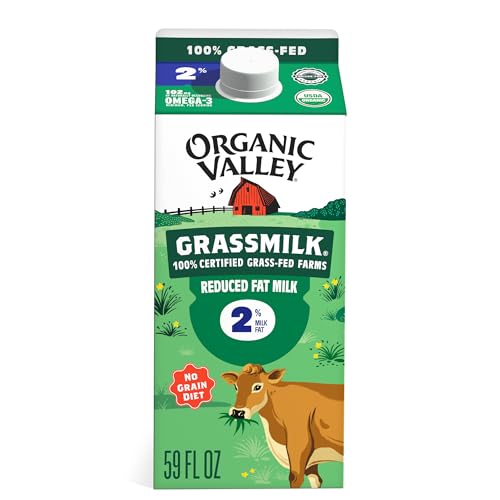
Grassmilk 2% Reduced Fat Milk uses organic grass-fed cows, delivering more omega-3s and CLA than typical milk. The grass-fed approach is highlighted for flavor and potential nutritional advantages, with a focus on pasture-based farming and seasonal pasture profiles.
Organic Valley Organic 2% Milk — 128 oz

This gallon-size Organic Valley 2% Milk mirrors the brand’s organic farming ethos, with 13 essential nutrients and protein per serving. Sourced from small family farms where cows graze on organic pastures, the larger container is suitable for households with steady 2% milk consumption.
Buying Guide: Key Purchase Considerations for 2% Milk
- Protein and calcium content: Most 2% milks offer similar protein and calcium levels, but exact amounts can vary slightly. Look for products that clearly state calcium and vitamin D on the label.
- Source and farming practices: Organic options emphasize organic pasture practices and cow welfare. Grass-fed varieties may provide higher omega-3s and CLA, affecting flavor and nutrient profile.
- Digestibility considerations: Some consumers report easier digestion with A2 protein milk. If digestion is a concern, consider brands that advertise A2 protein or alternative protein profiles.
- Size and packaging: Larger containers suit families and frequent use, while half-gallon and standard 64-ounce cartons fit smaller households or limited storage.
- Allergen and processing notes: Check for pasteurization and homogenization details. For some shoppers, rBST-free labeling is a helpful indicator of farming practices.
- Taste and culinary use: Lipid content in 2% milk strikes a balance between flavor and lower fat. For baking and cooking, consistency in fat content helps achieve predictable results.
- Ethical and regional sourcing: Organic and grass-fed options often emphasize regional farms and sustainable farming practices, which may influence price and availability.
- Storage and shelf life: Store milk cold, check the sell-by date, and consider plan-ahead purchasing to minimize waste in households with fluctuating consumption.